




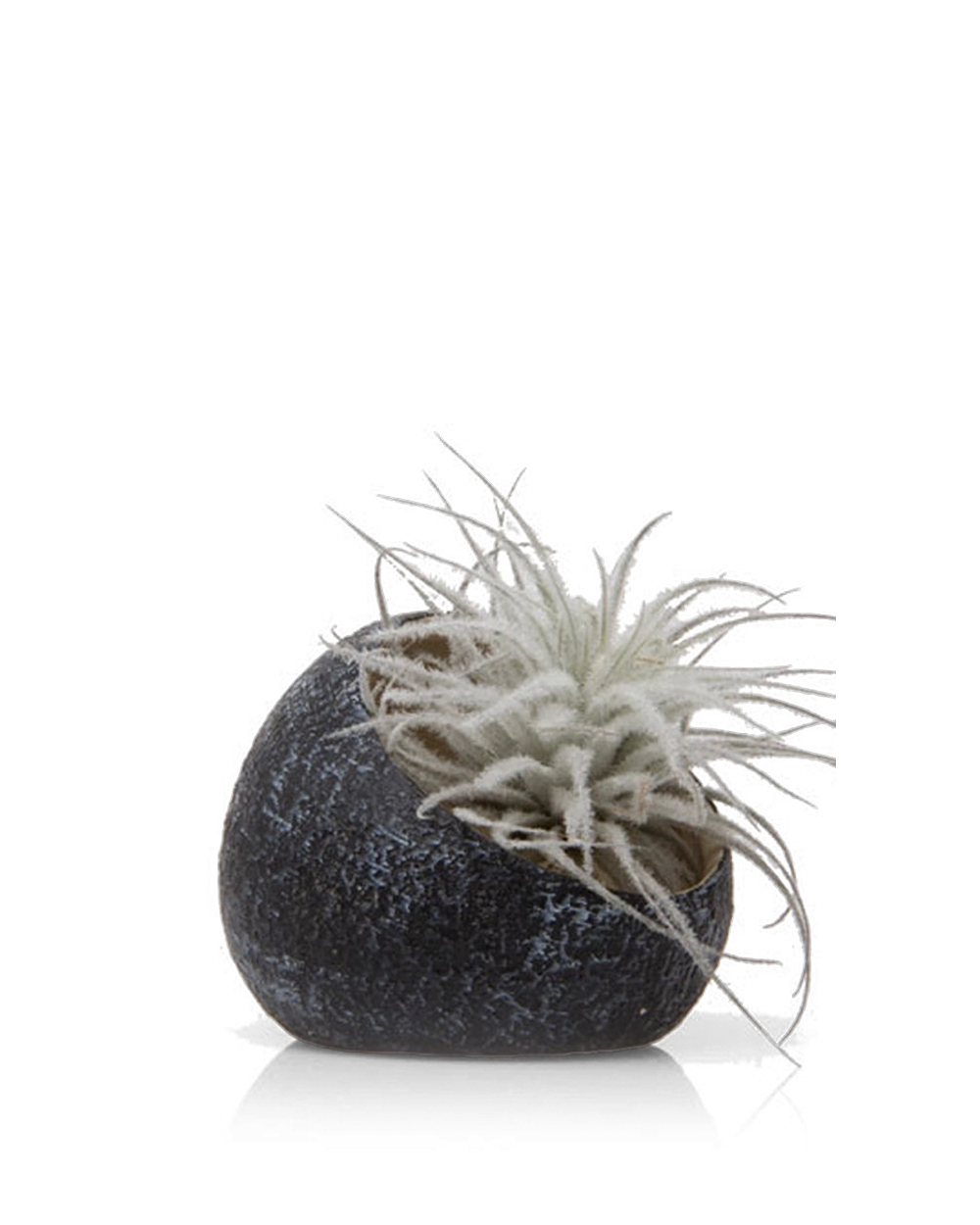

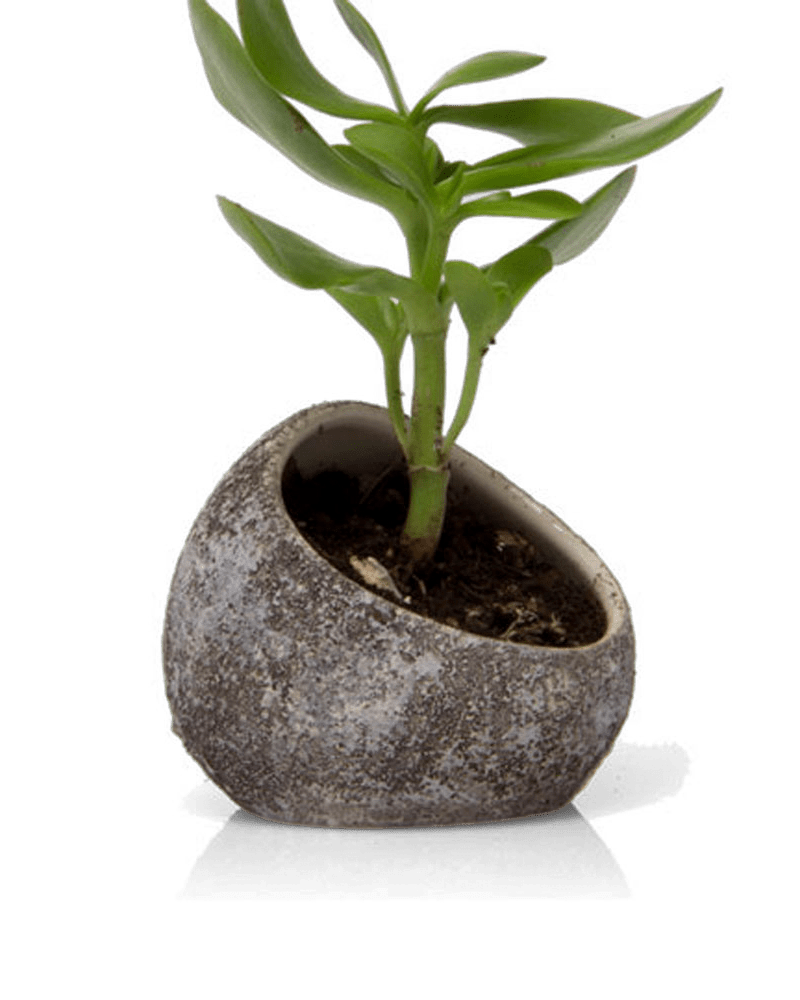
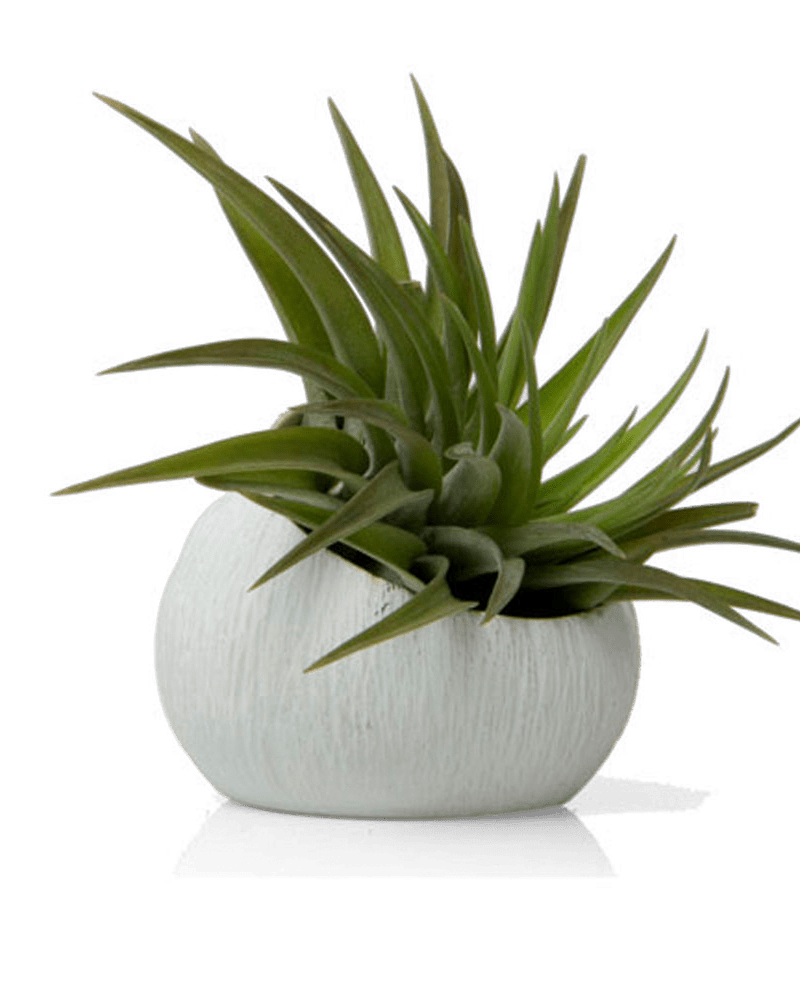
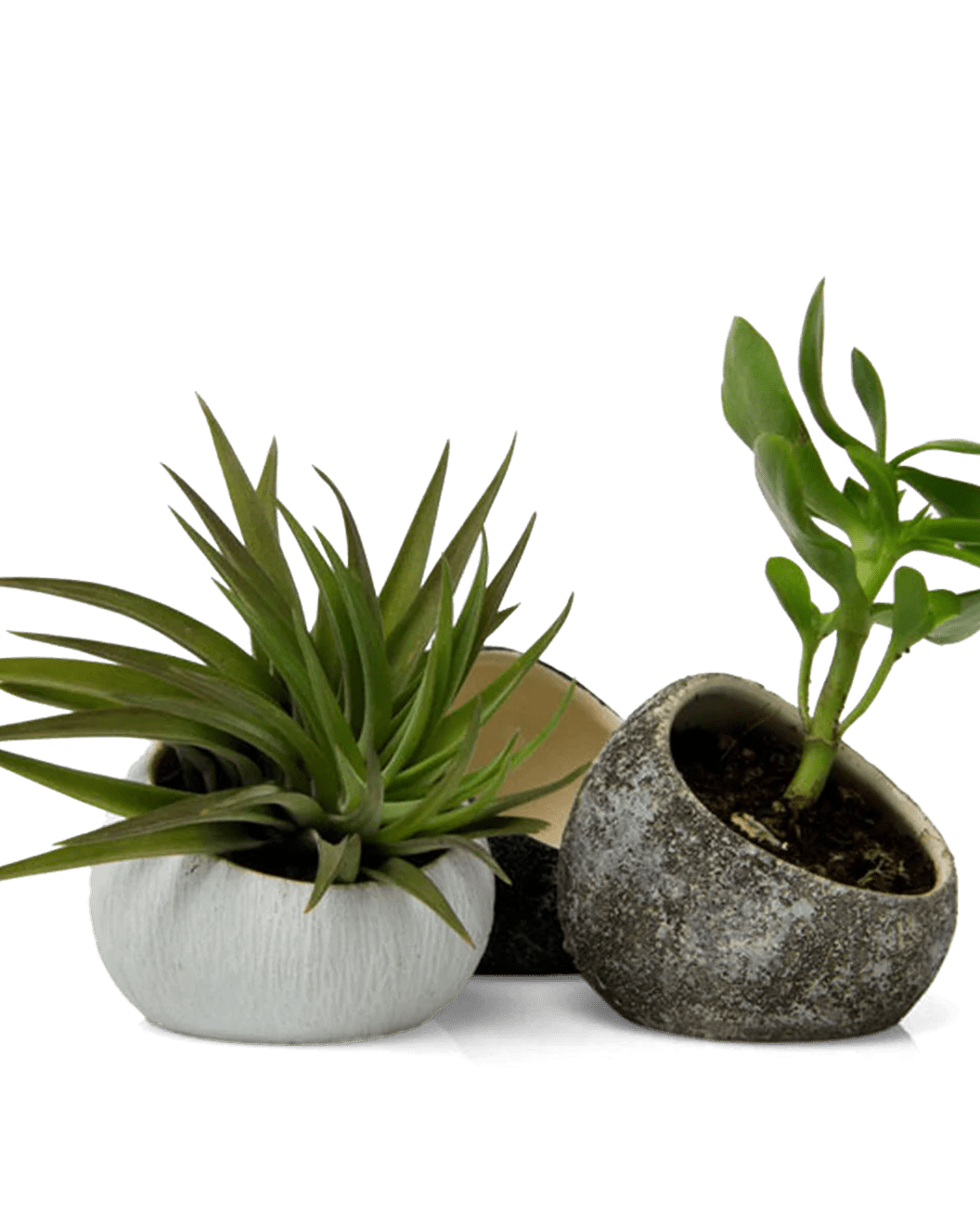
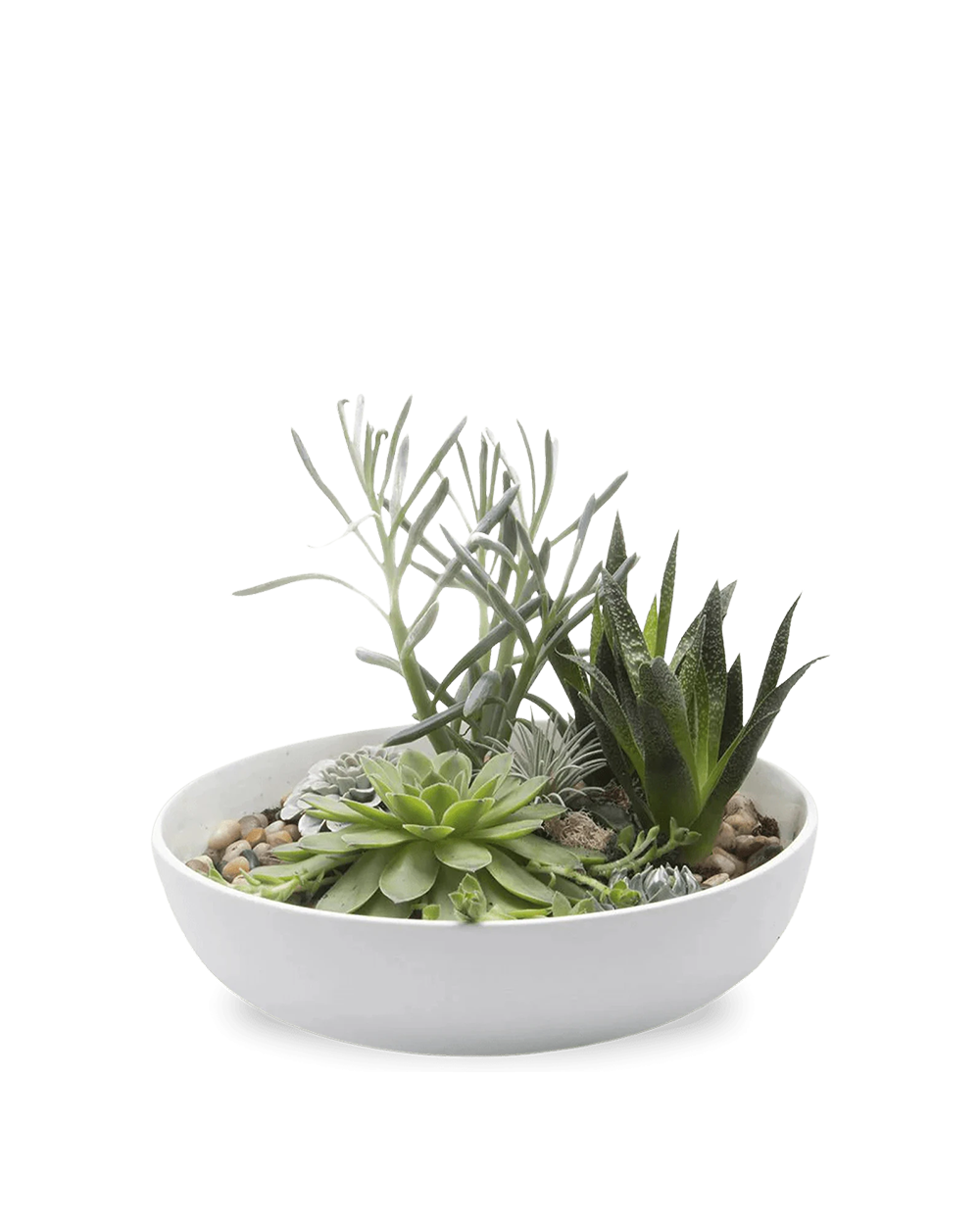
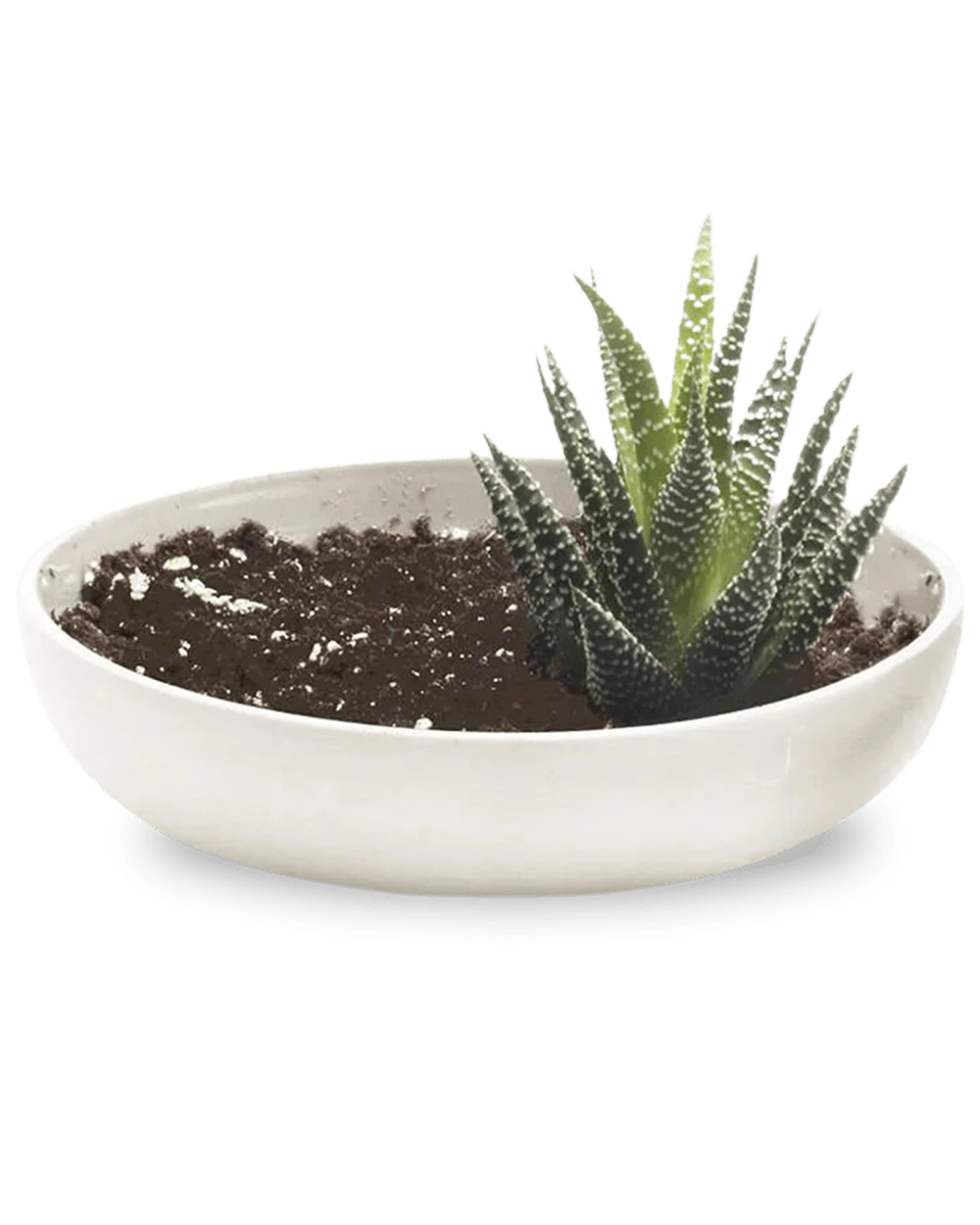
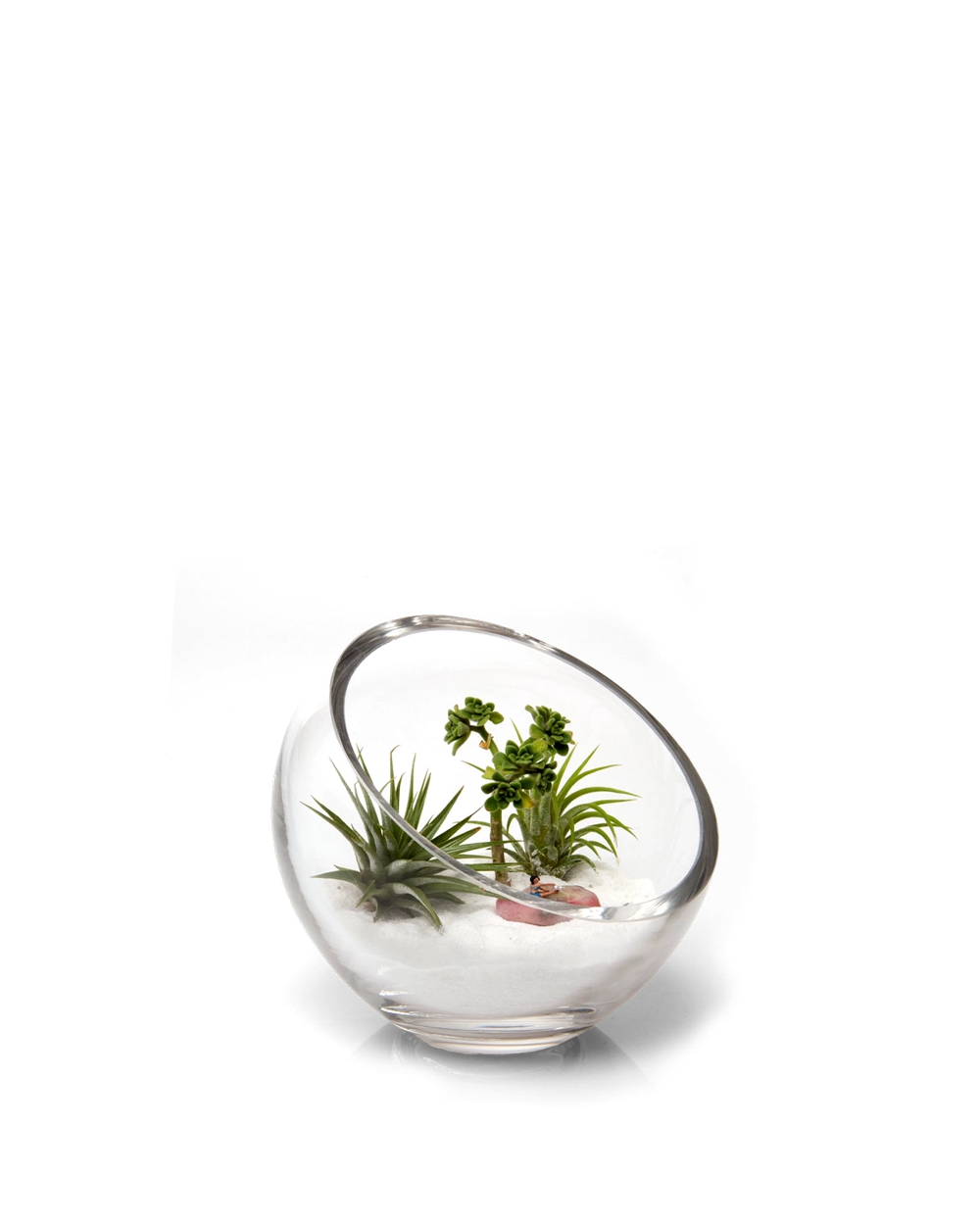
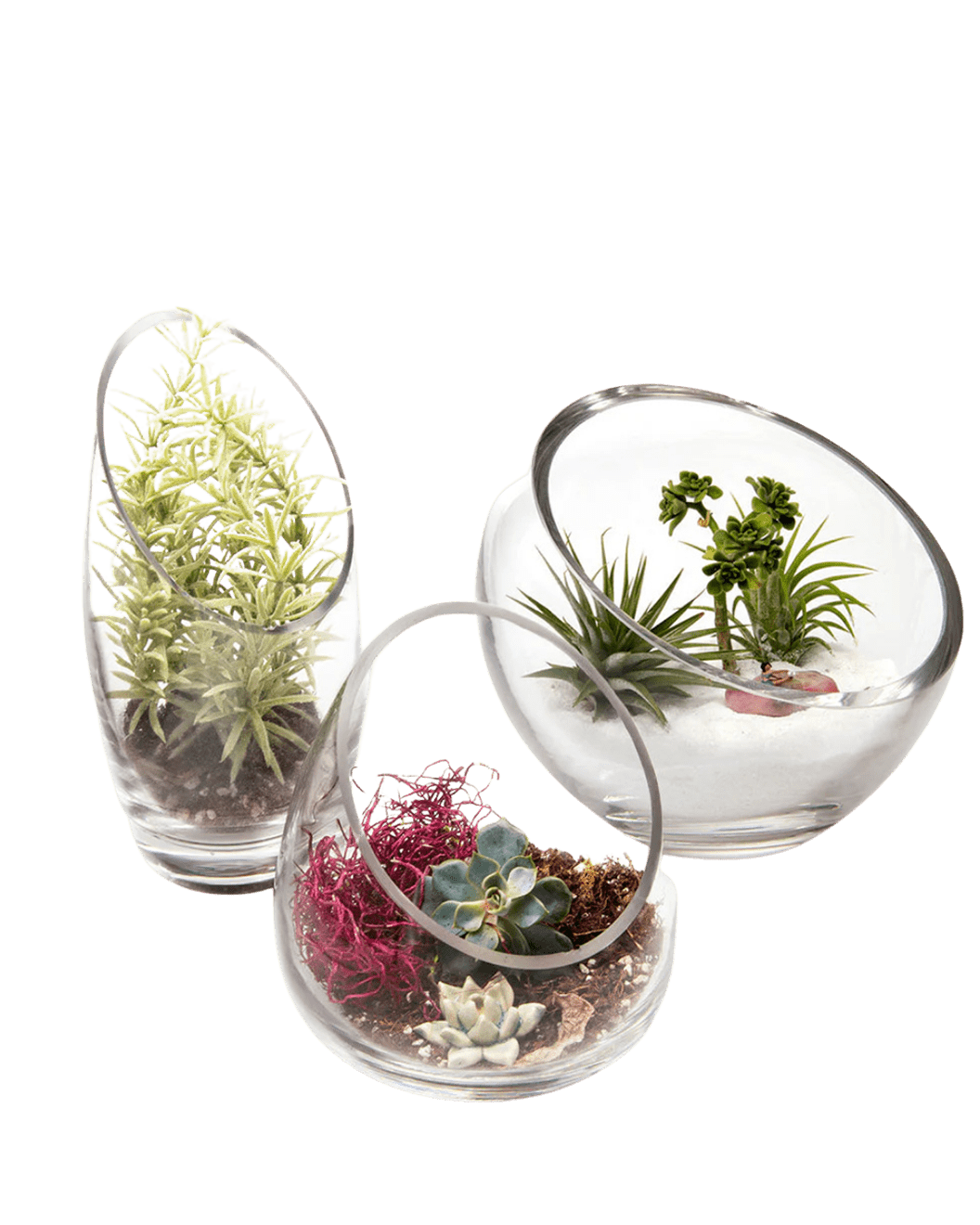
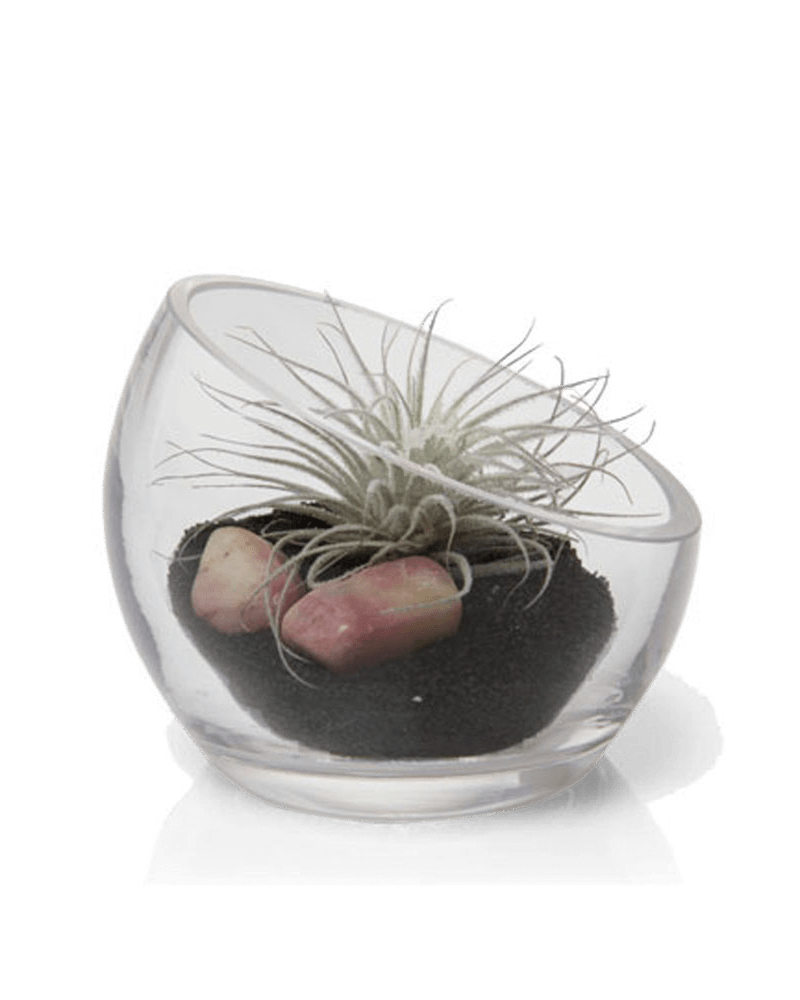
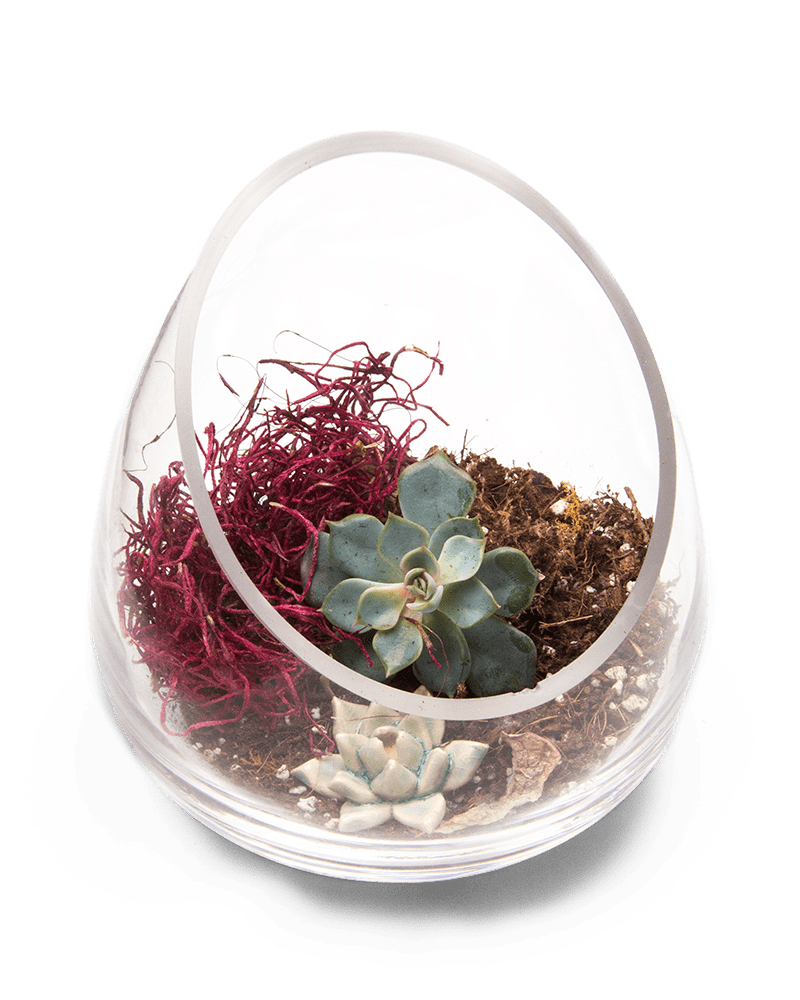
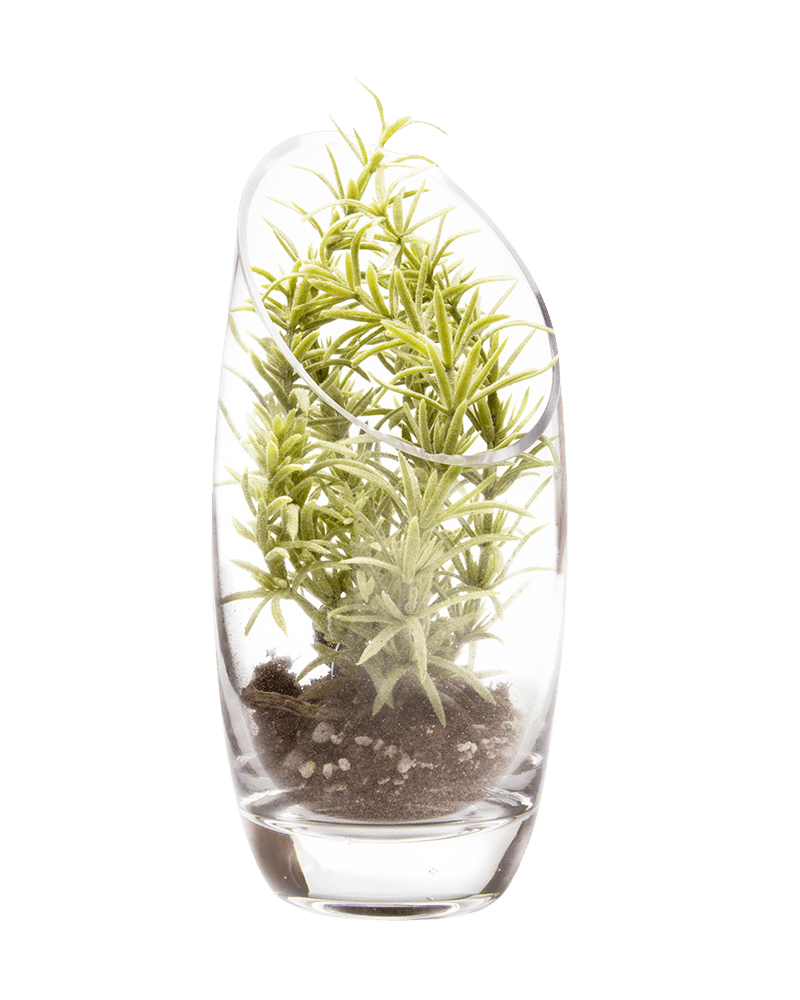



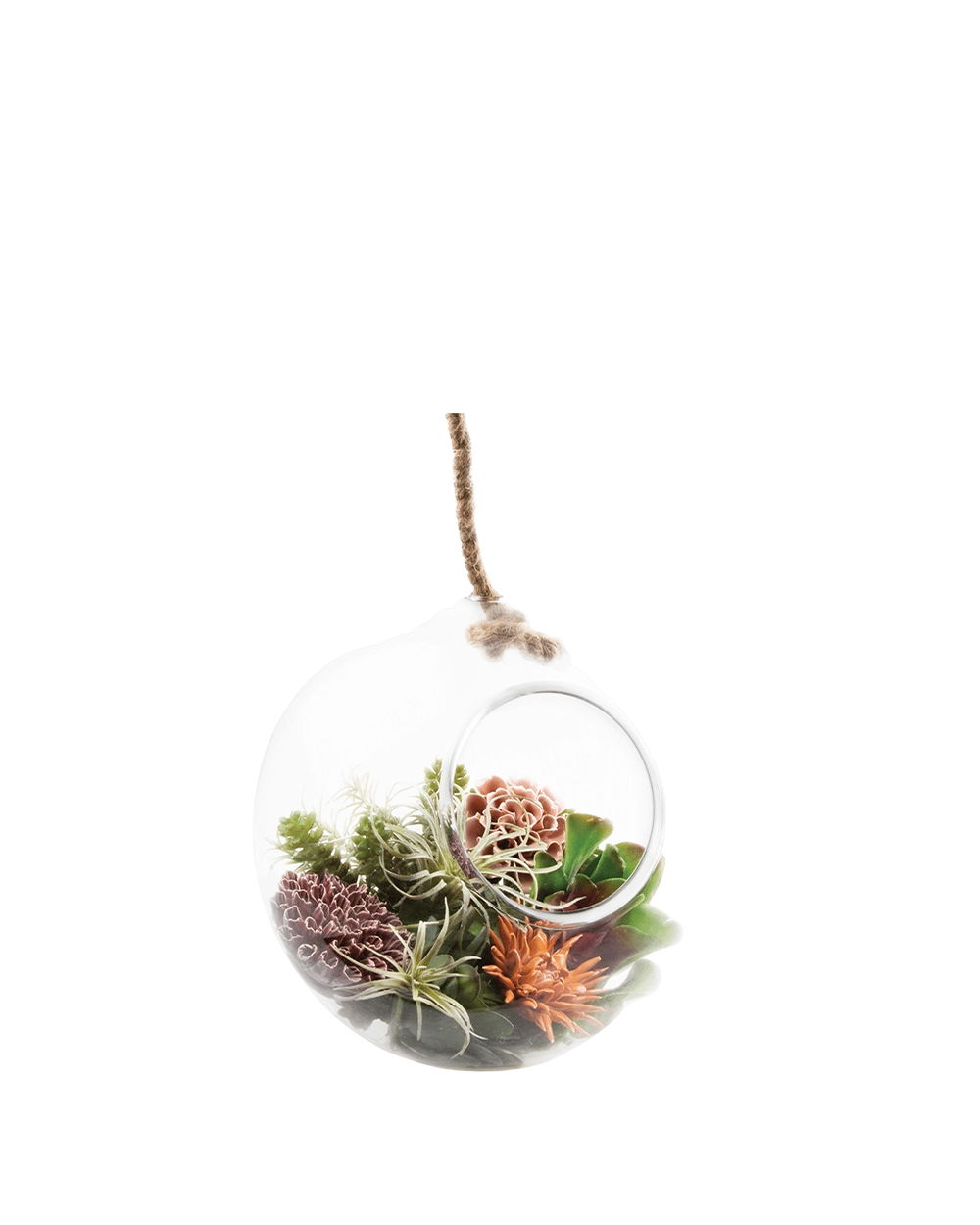
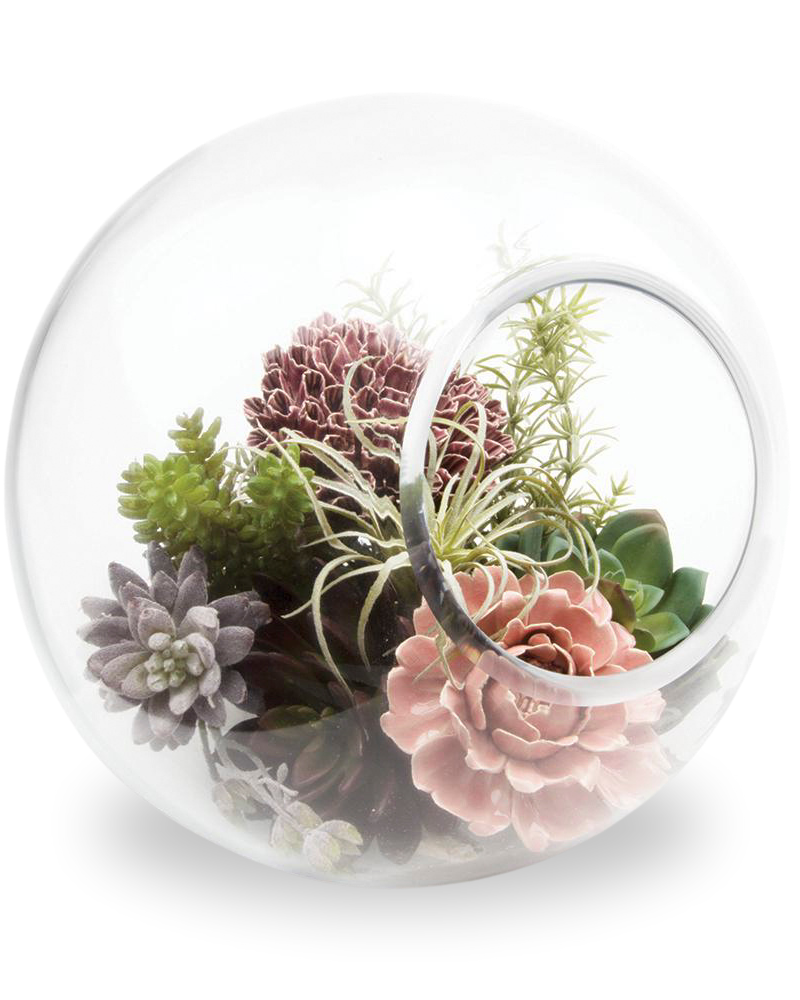
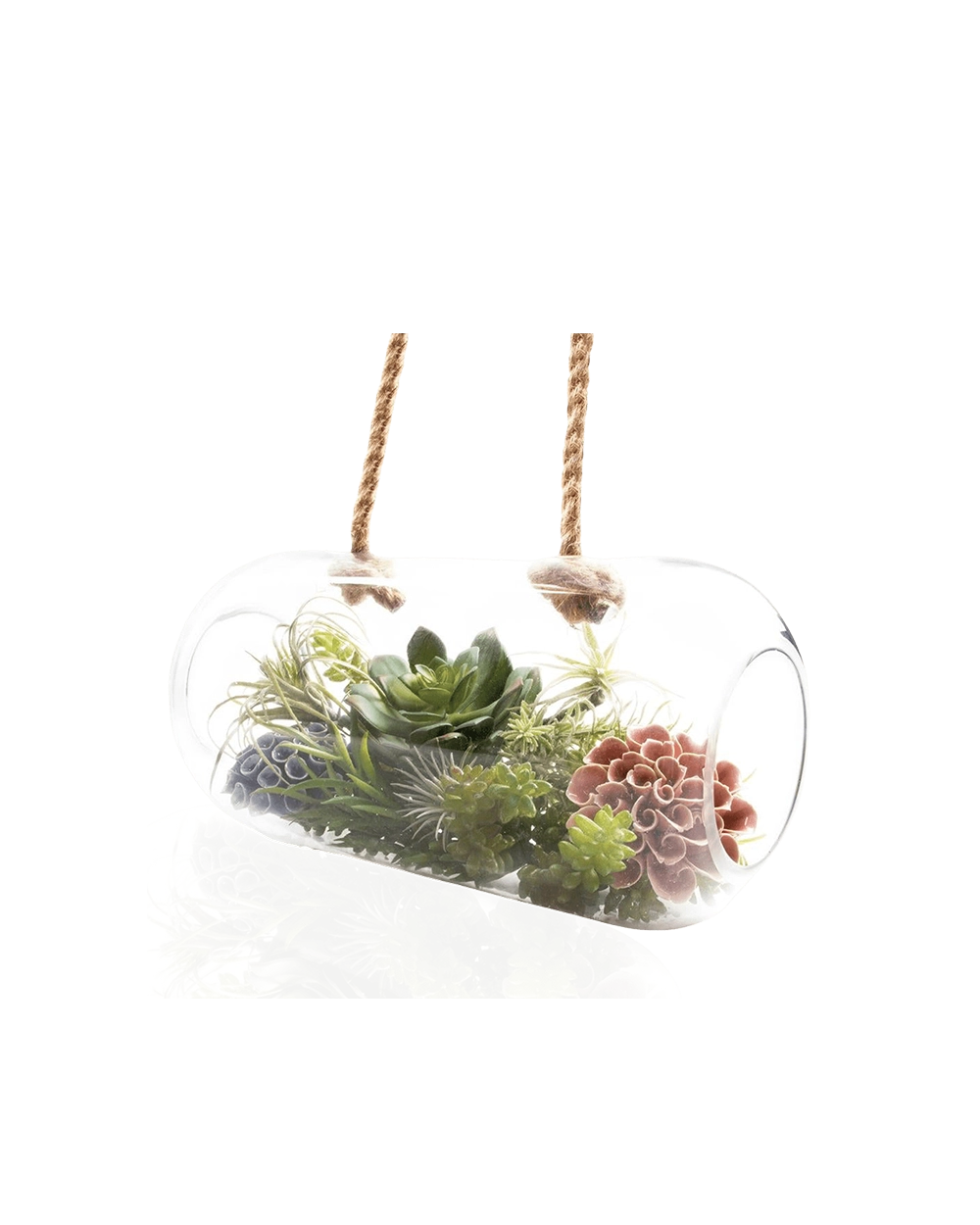
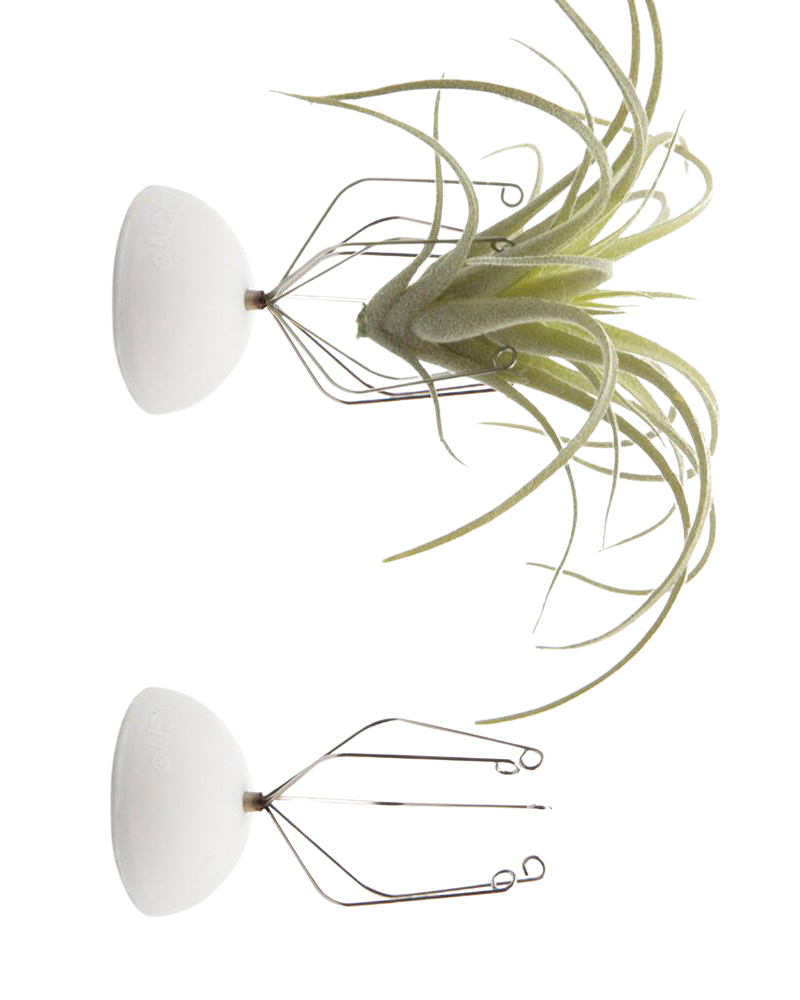
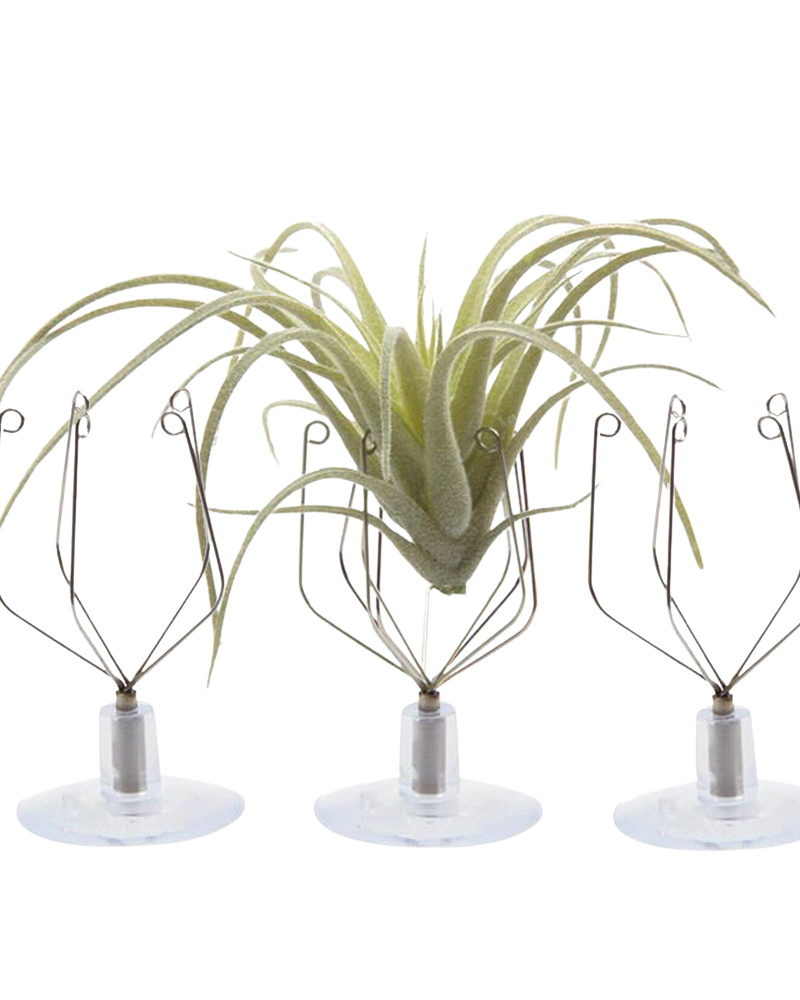
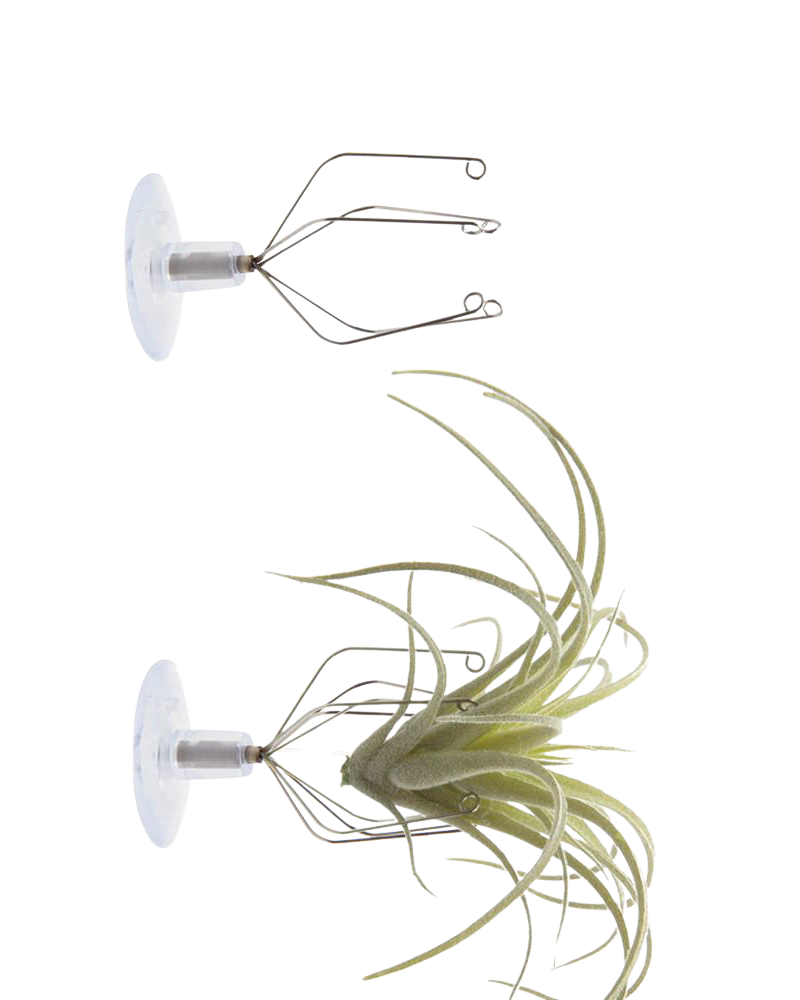
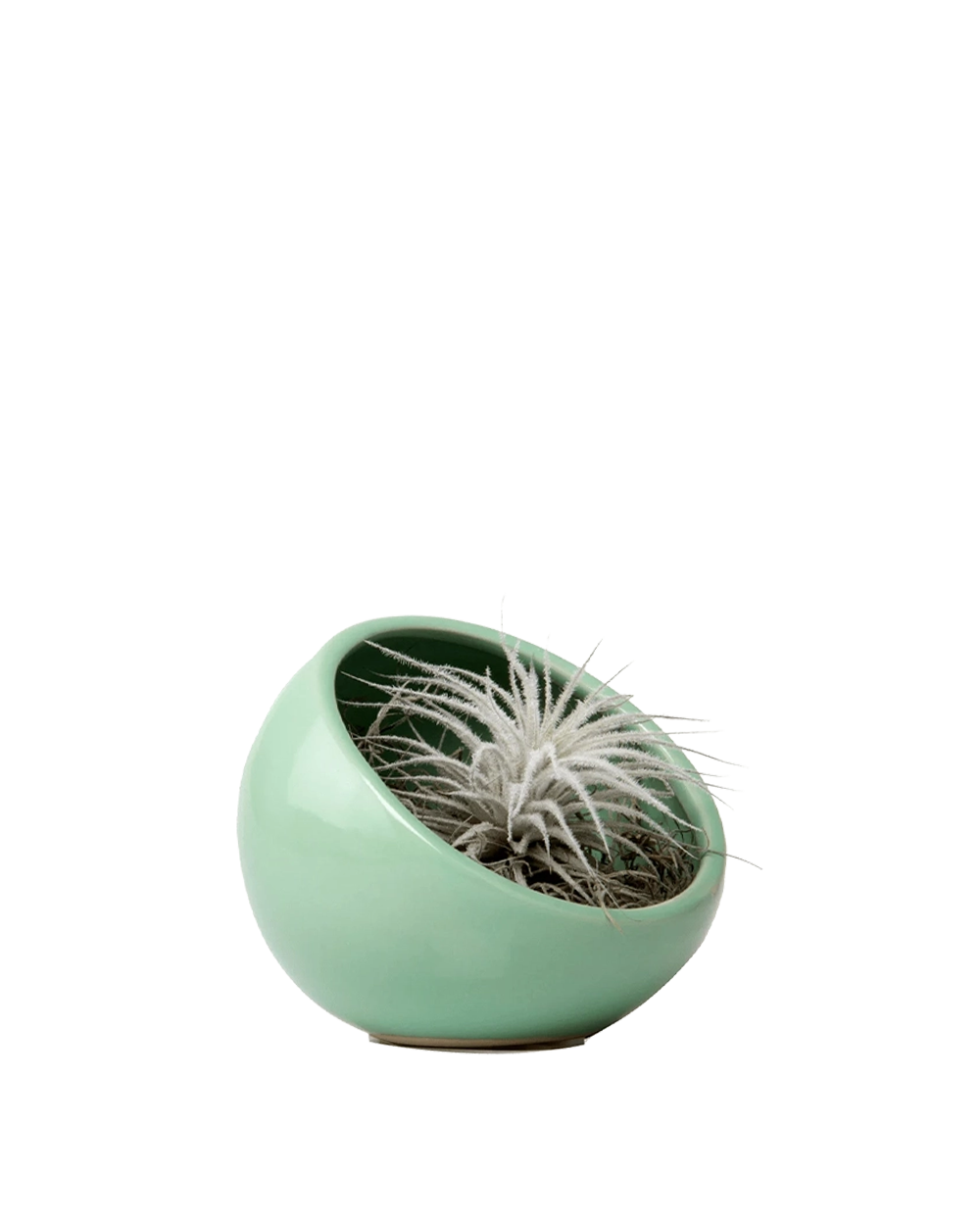
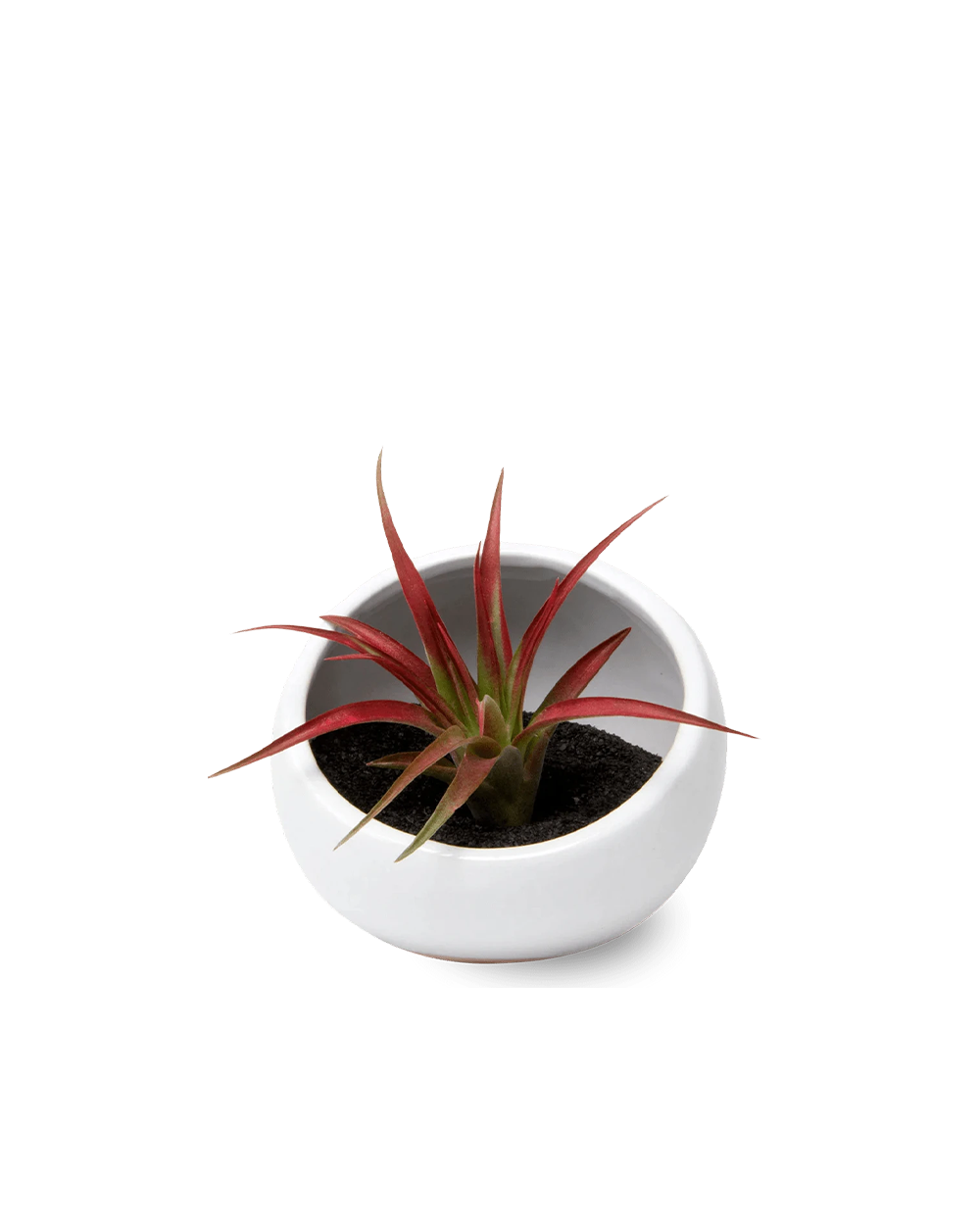
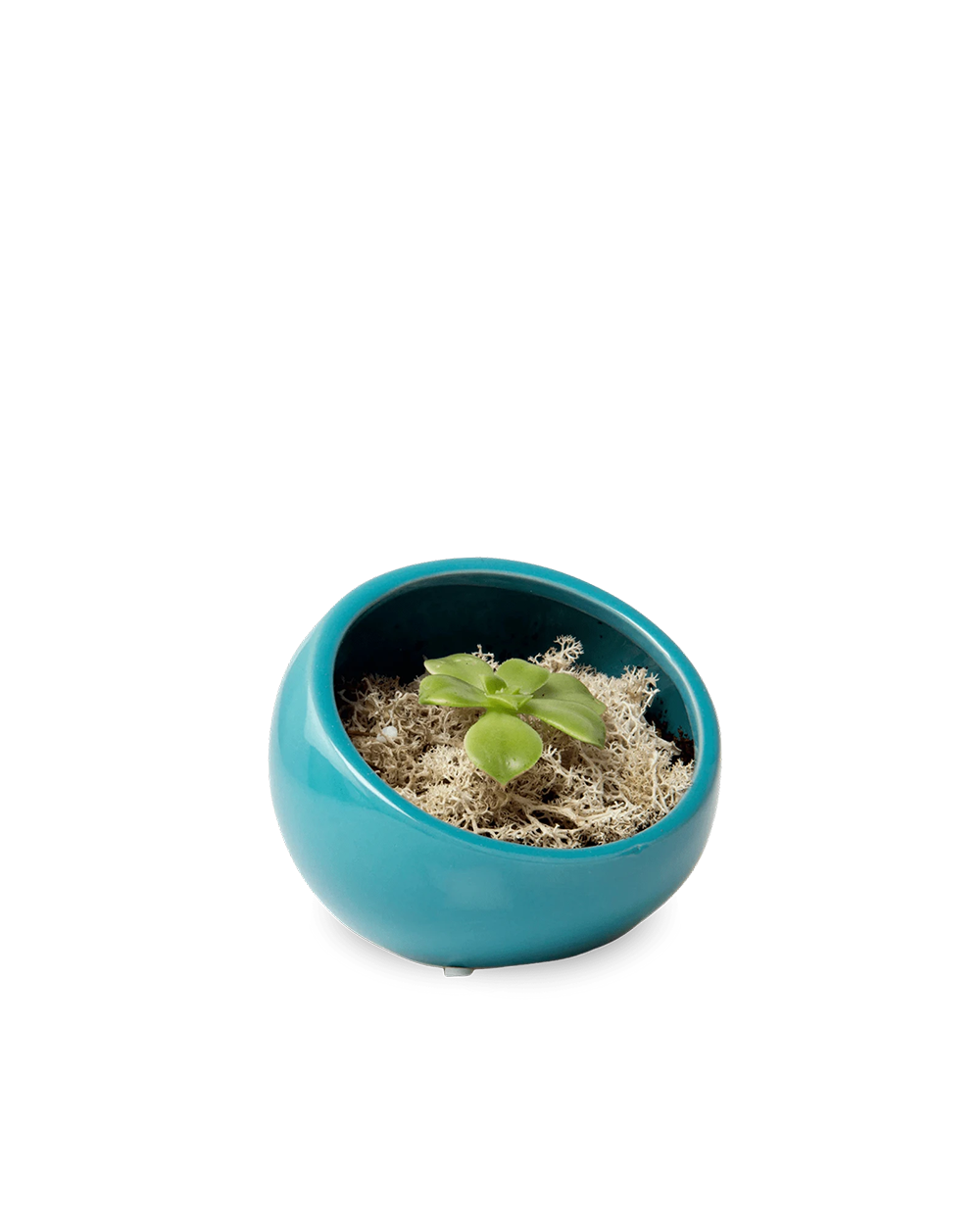
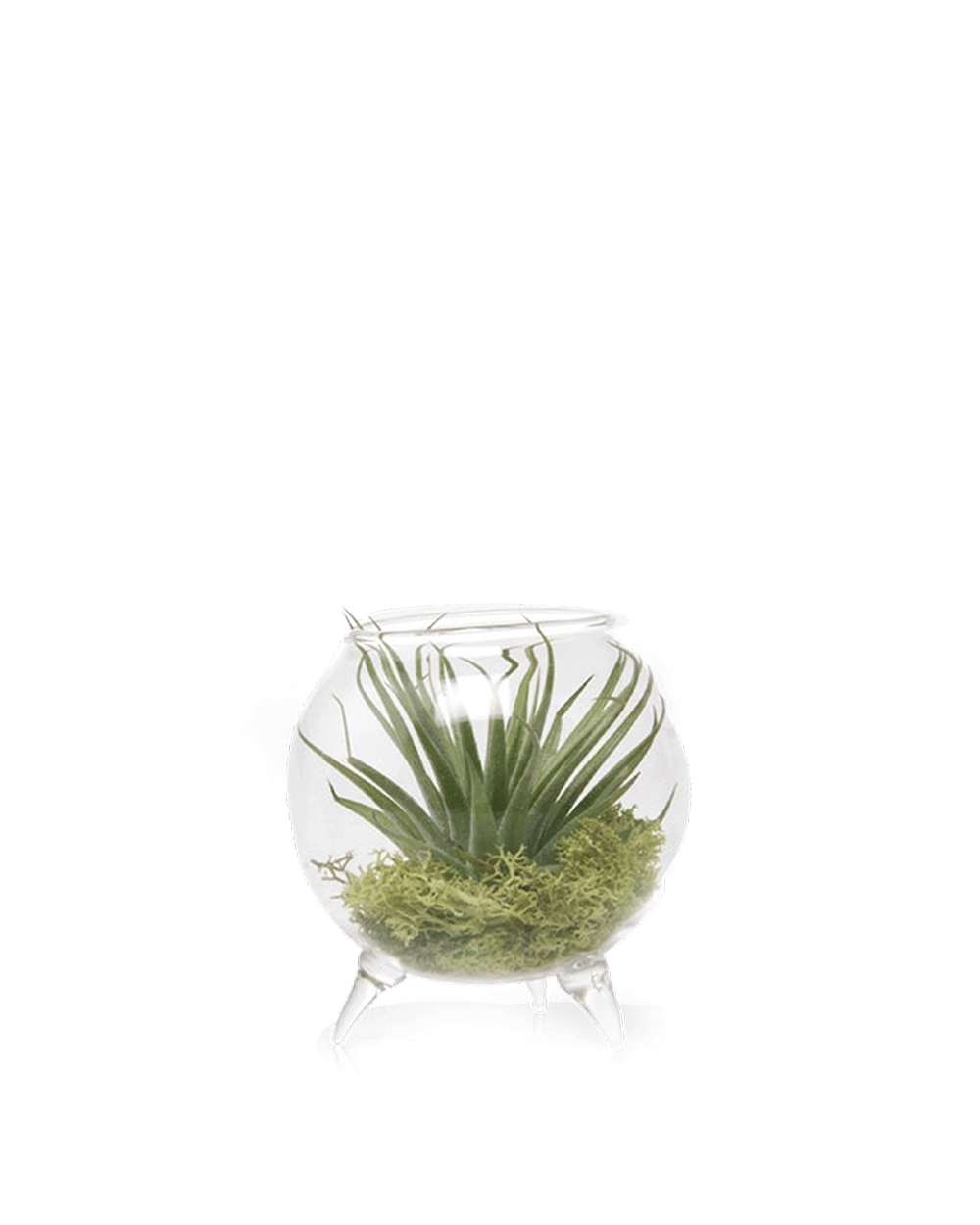
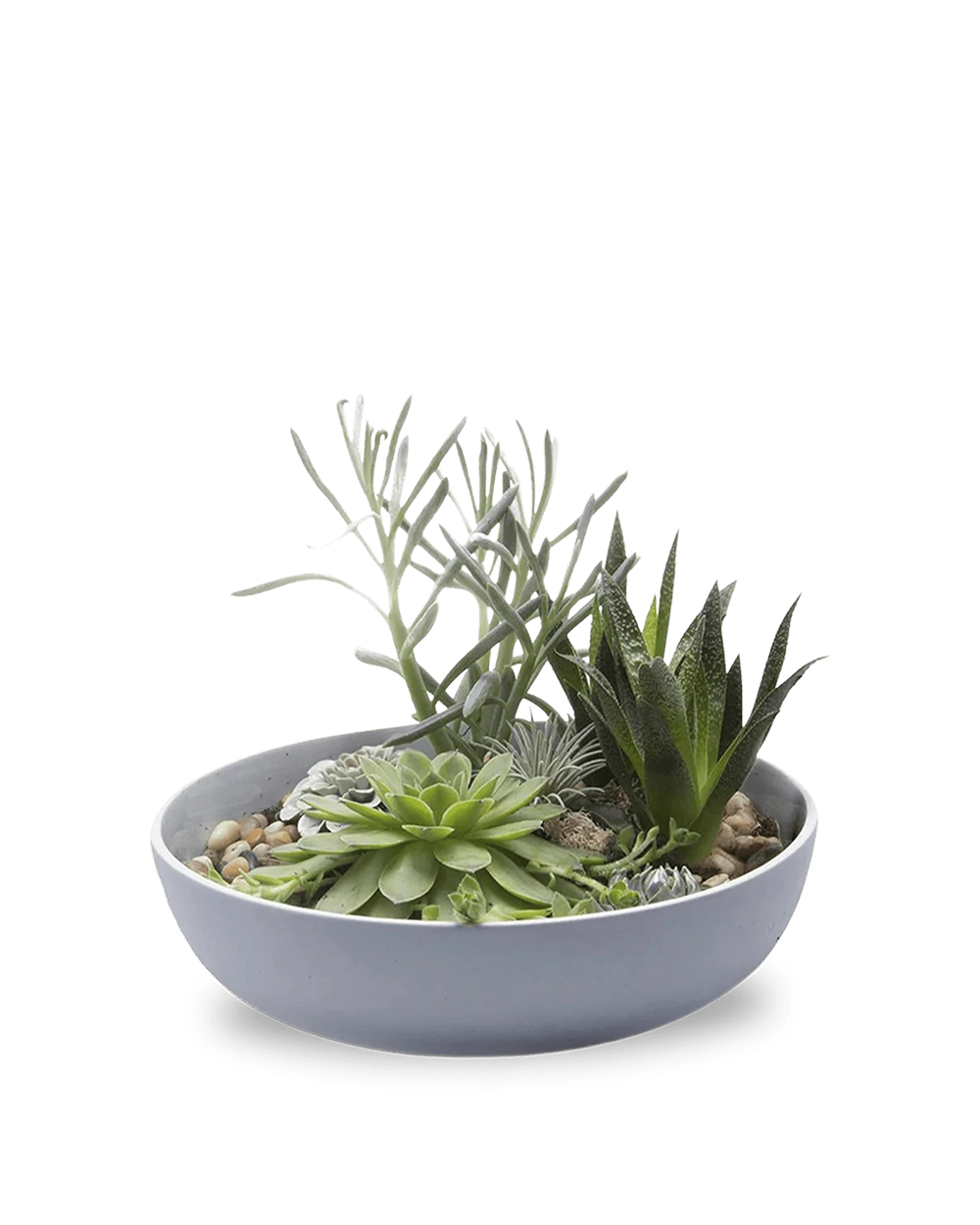
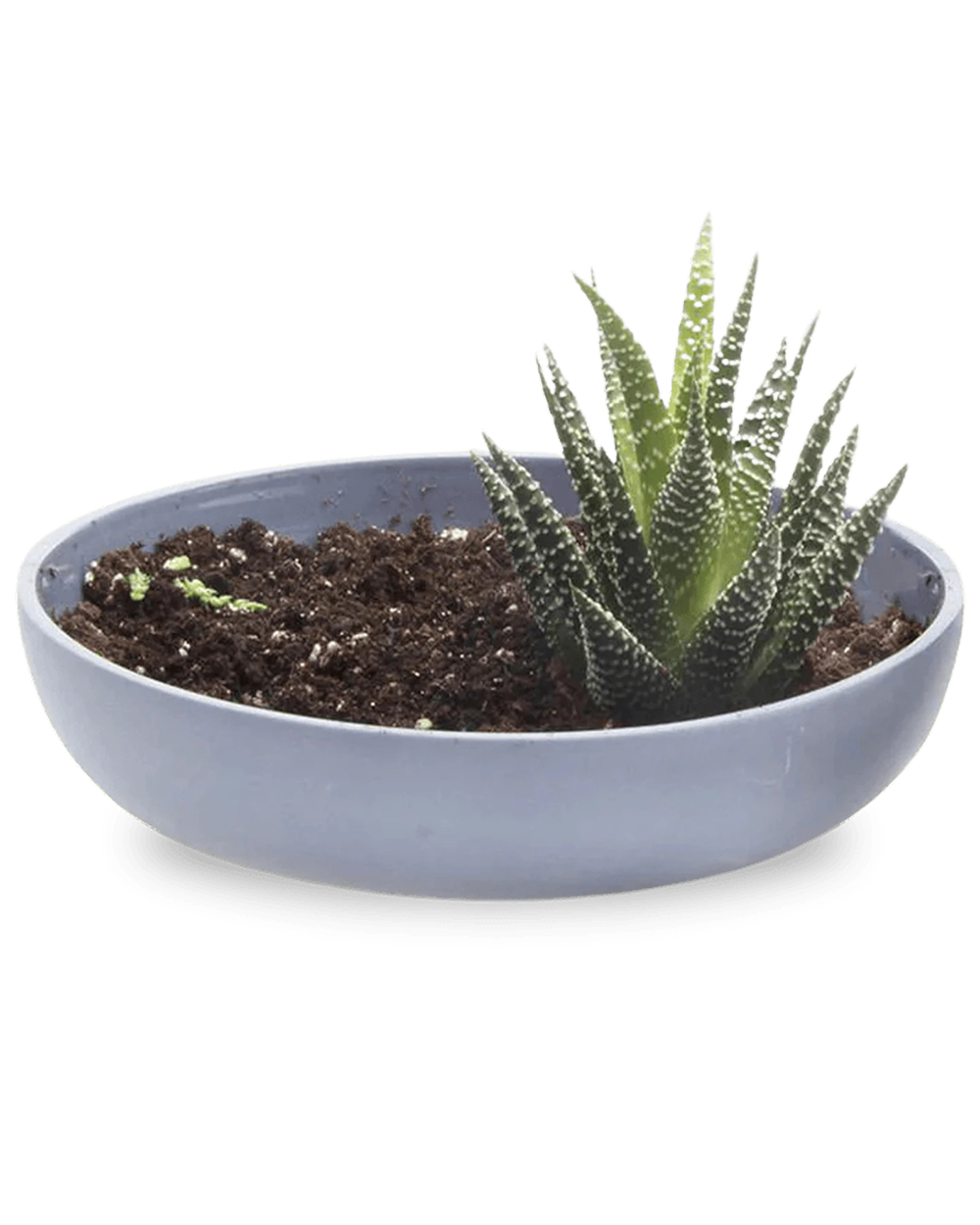
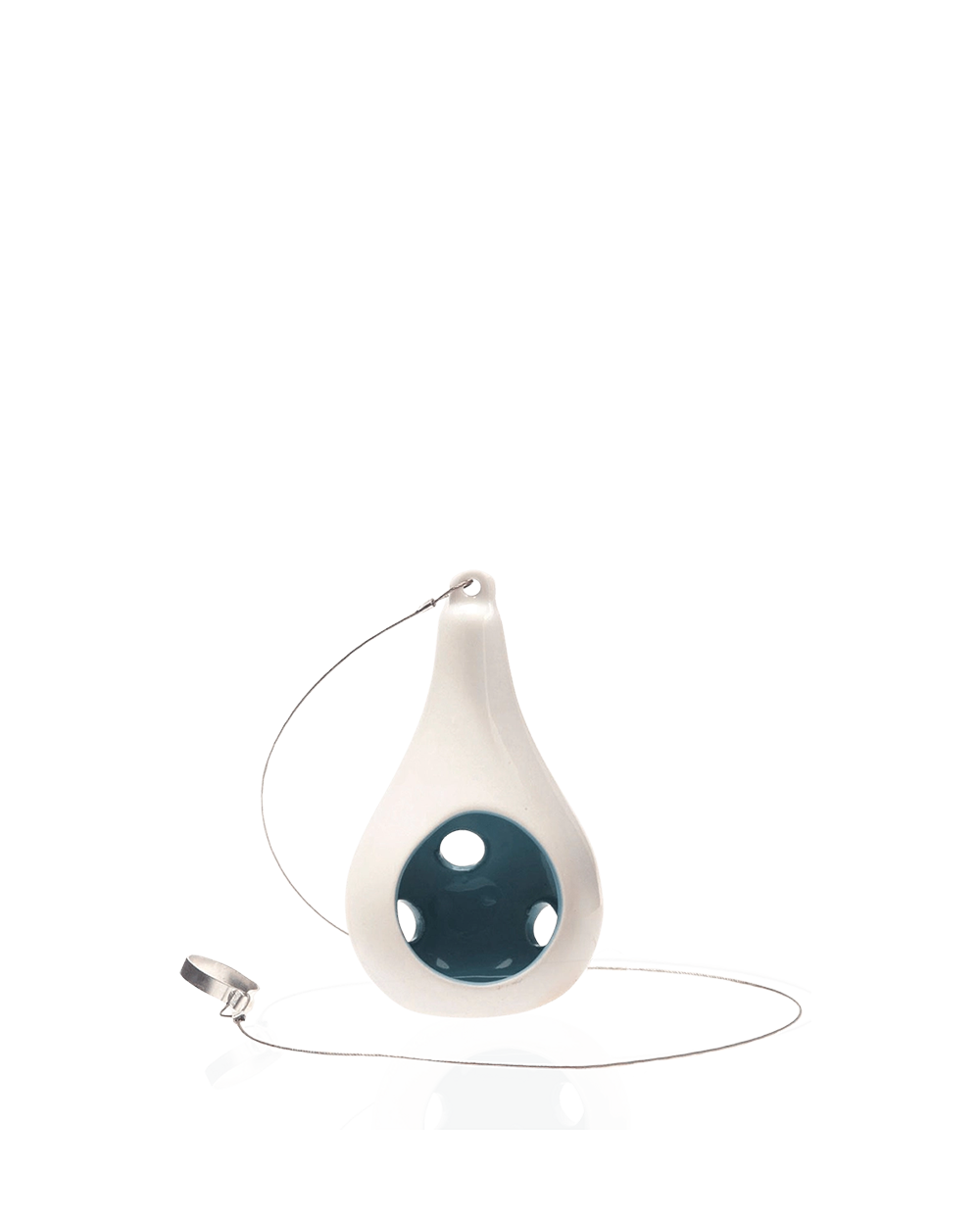
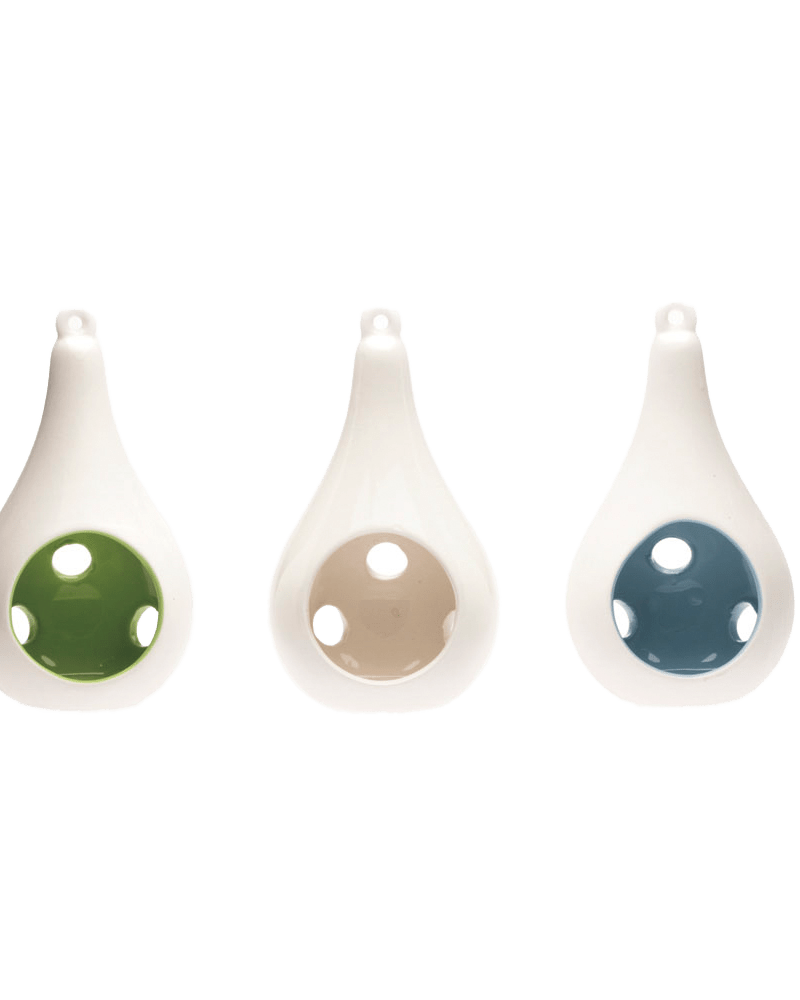
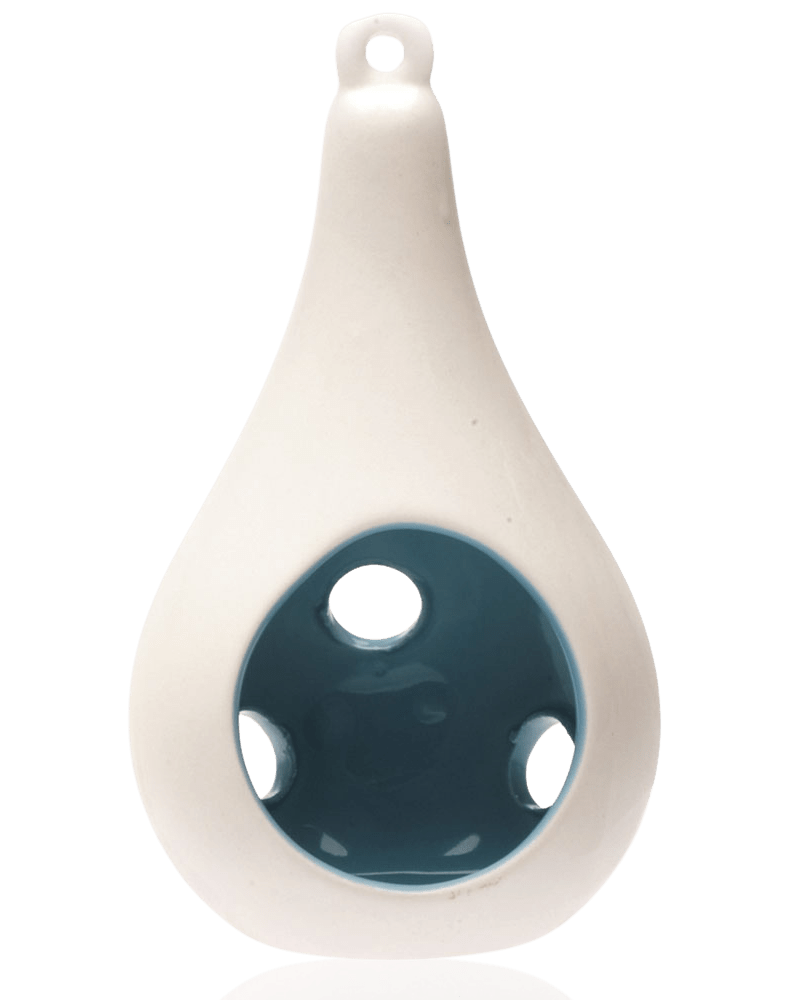
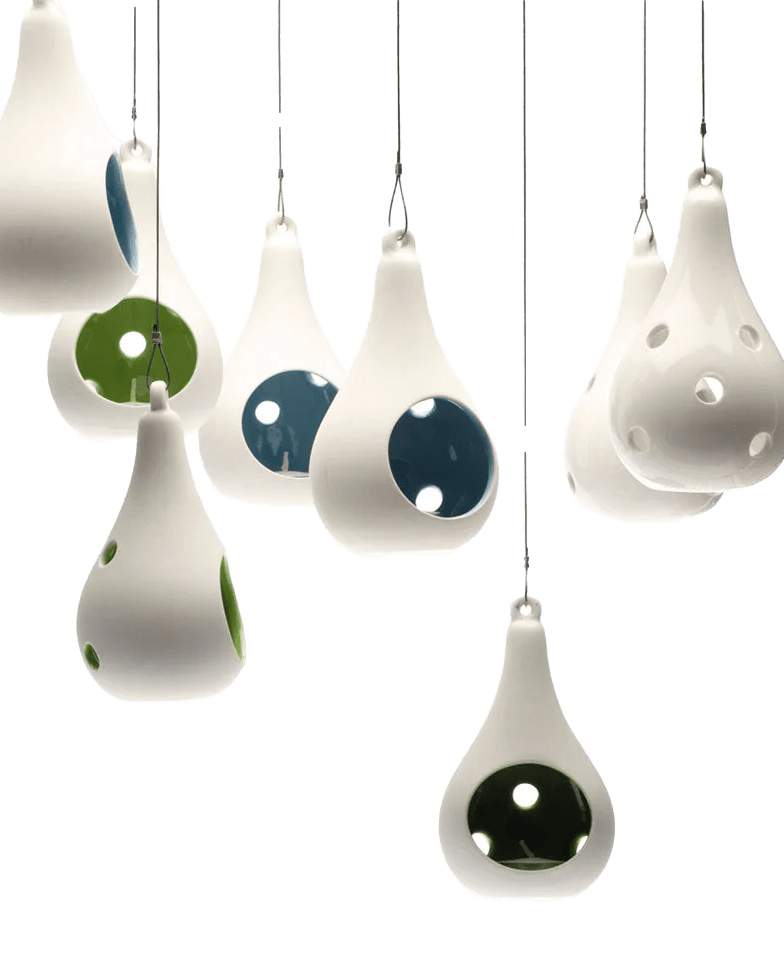
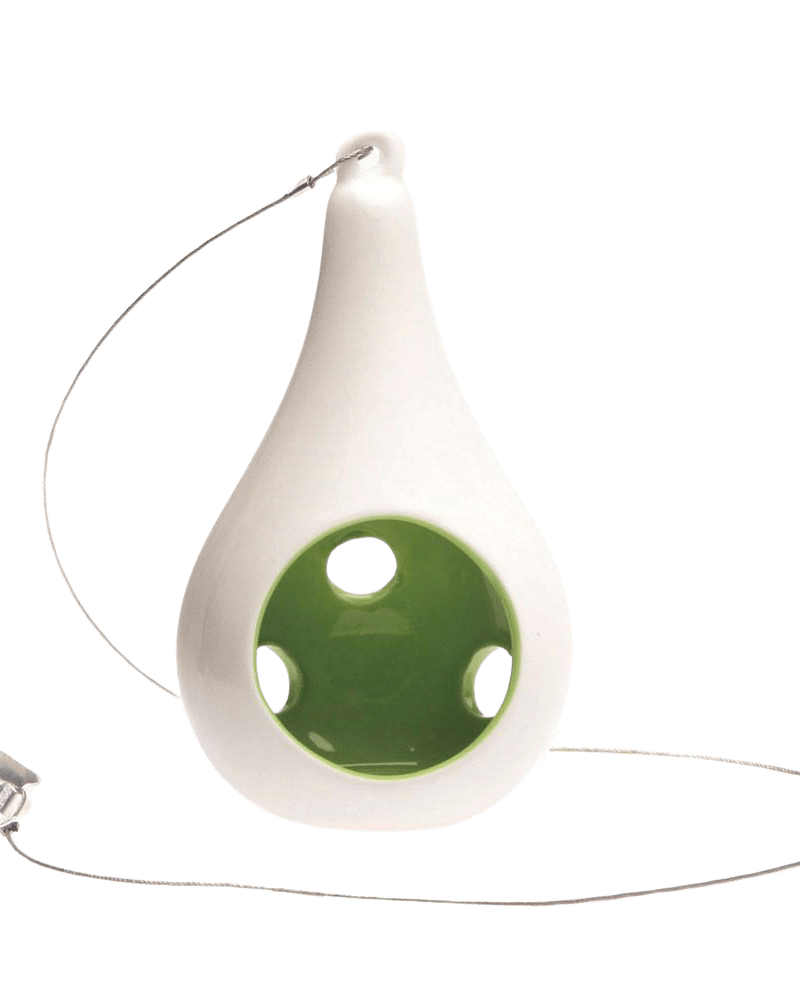
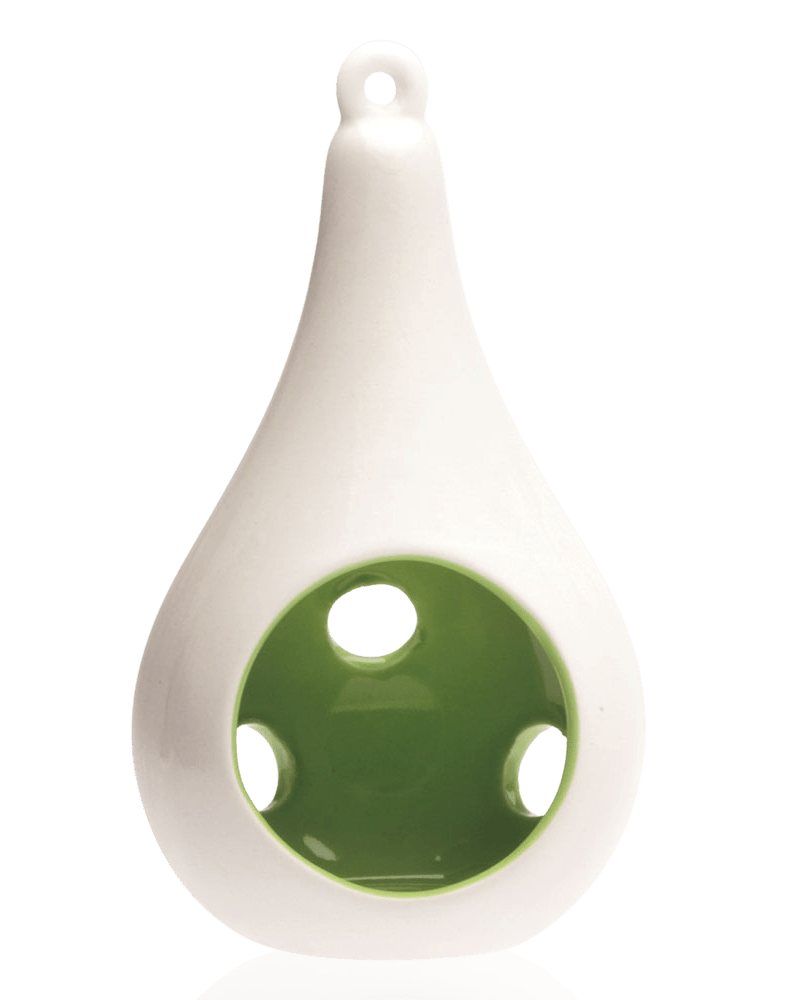
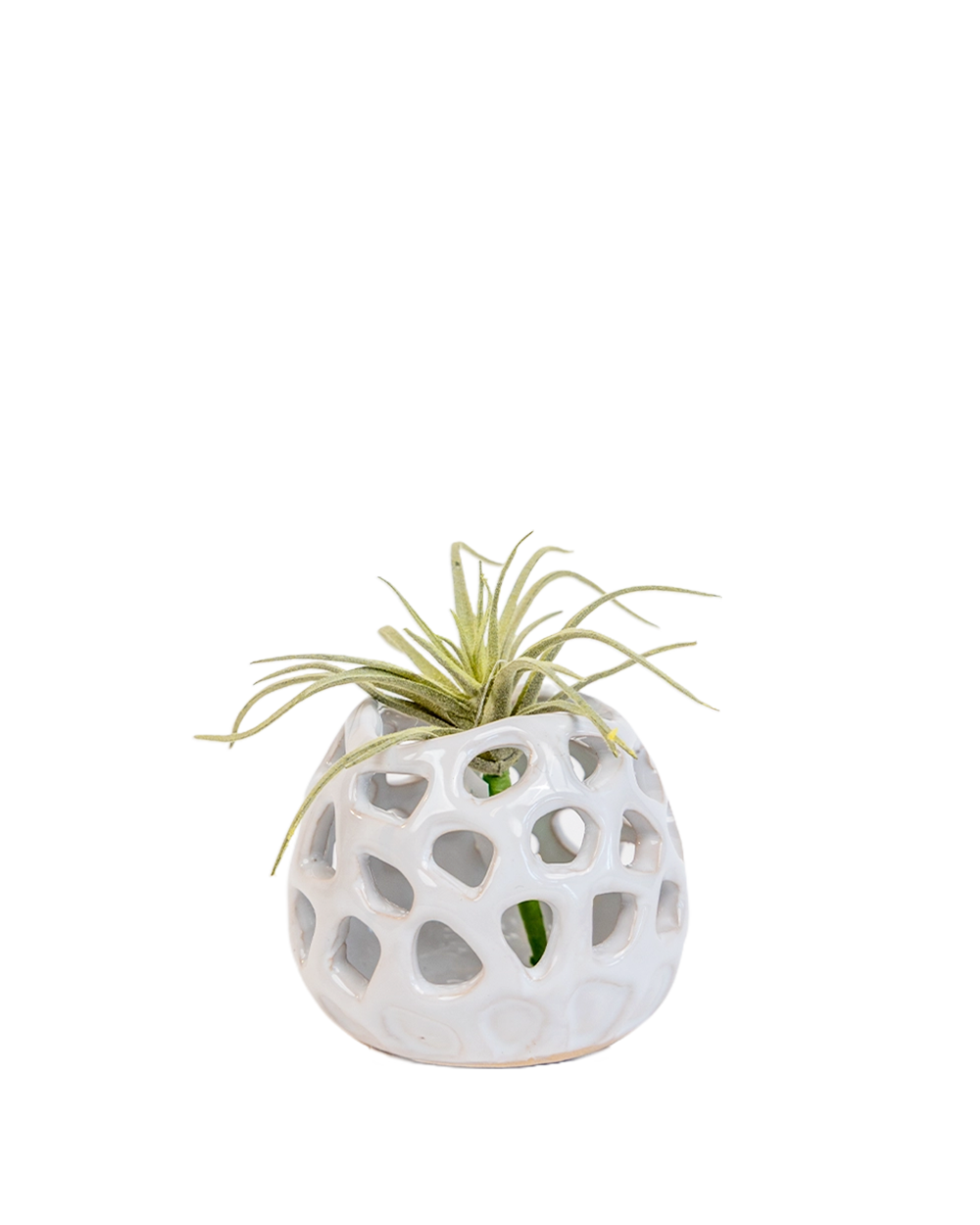

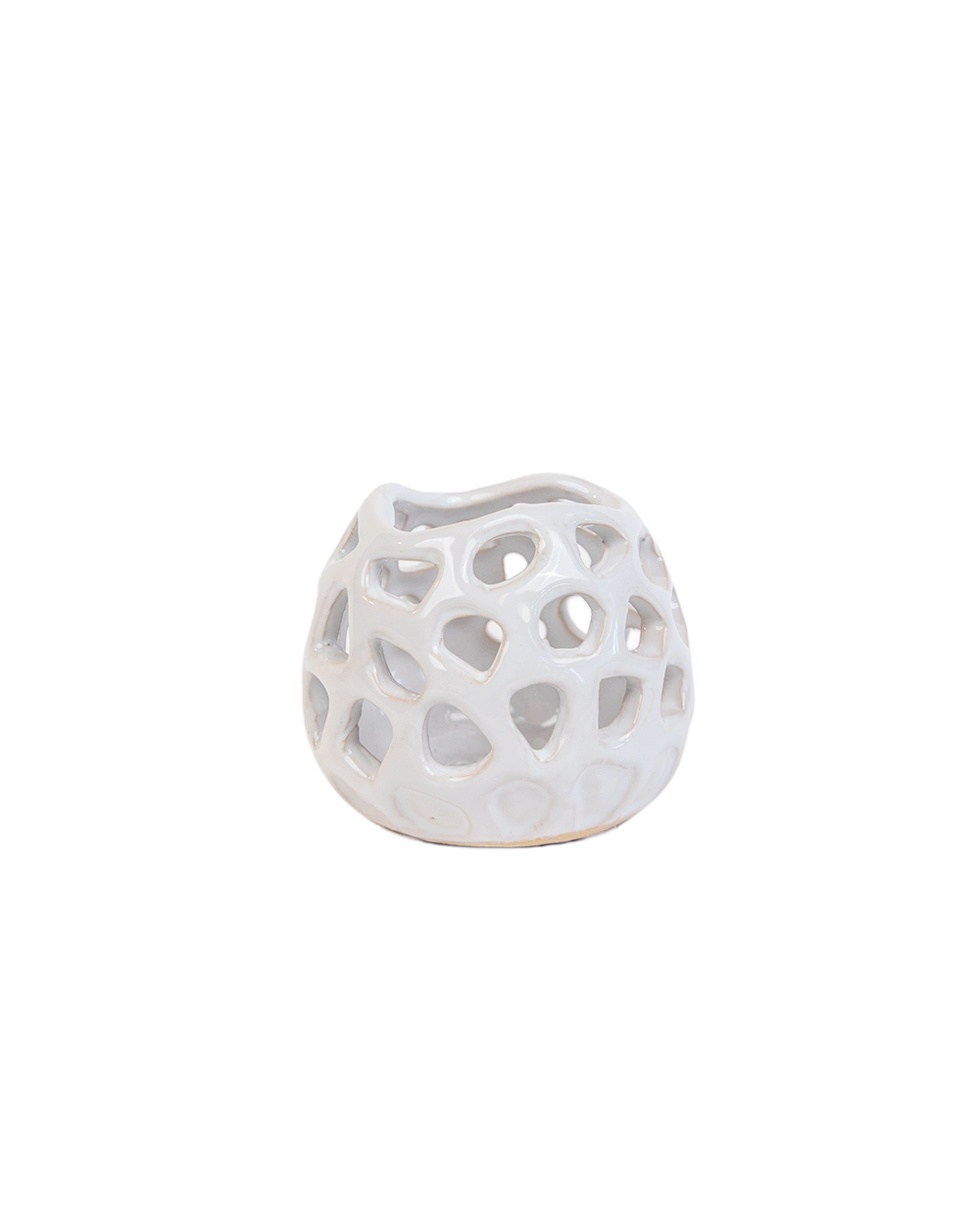
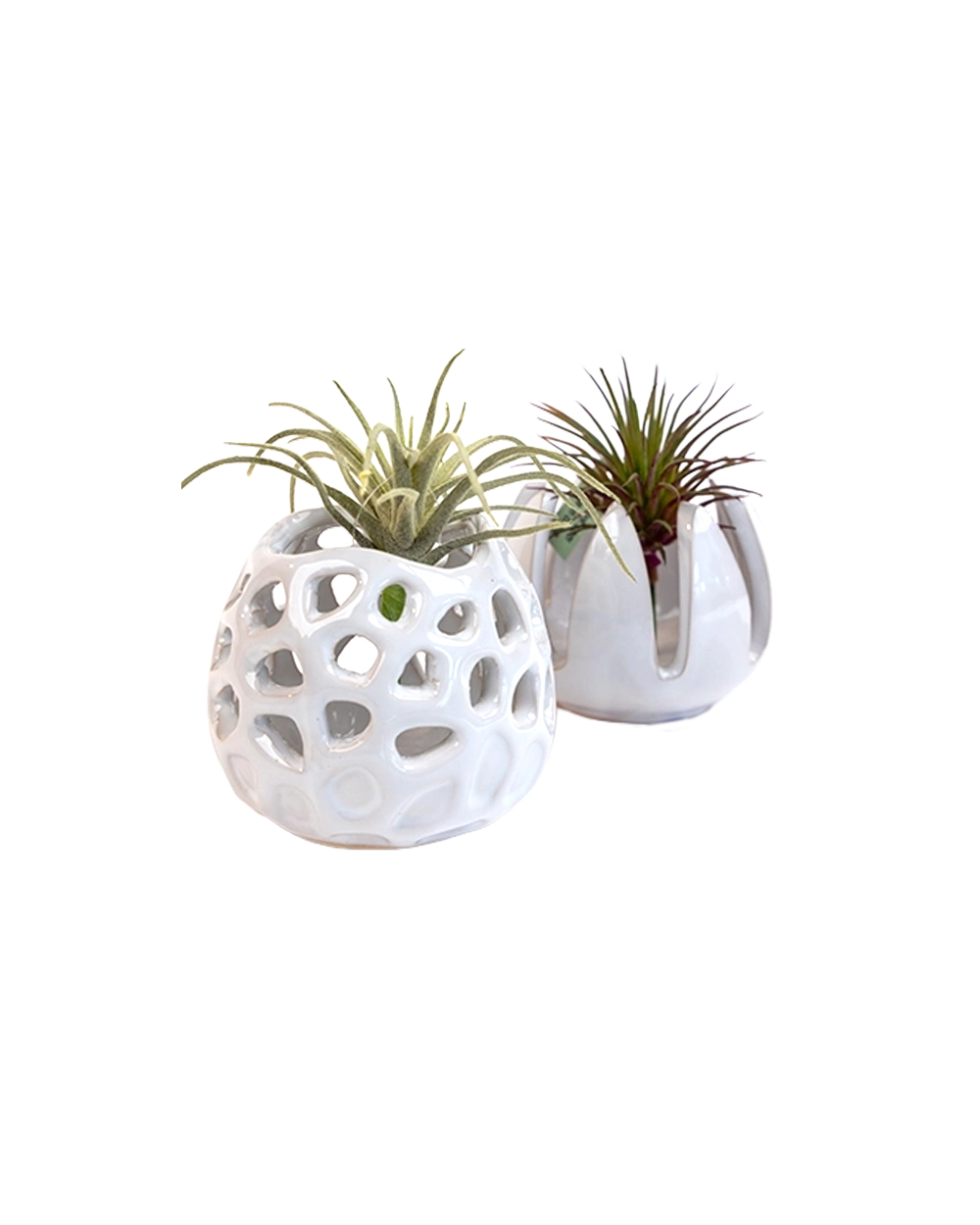
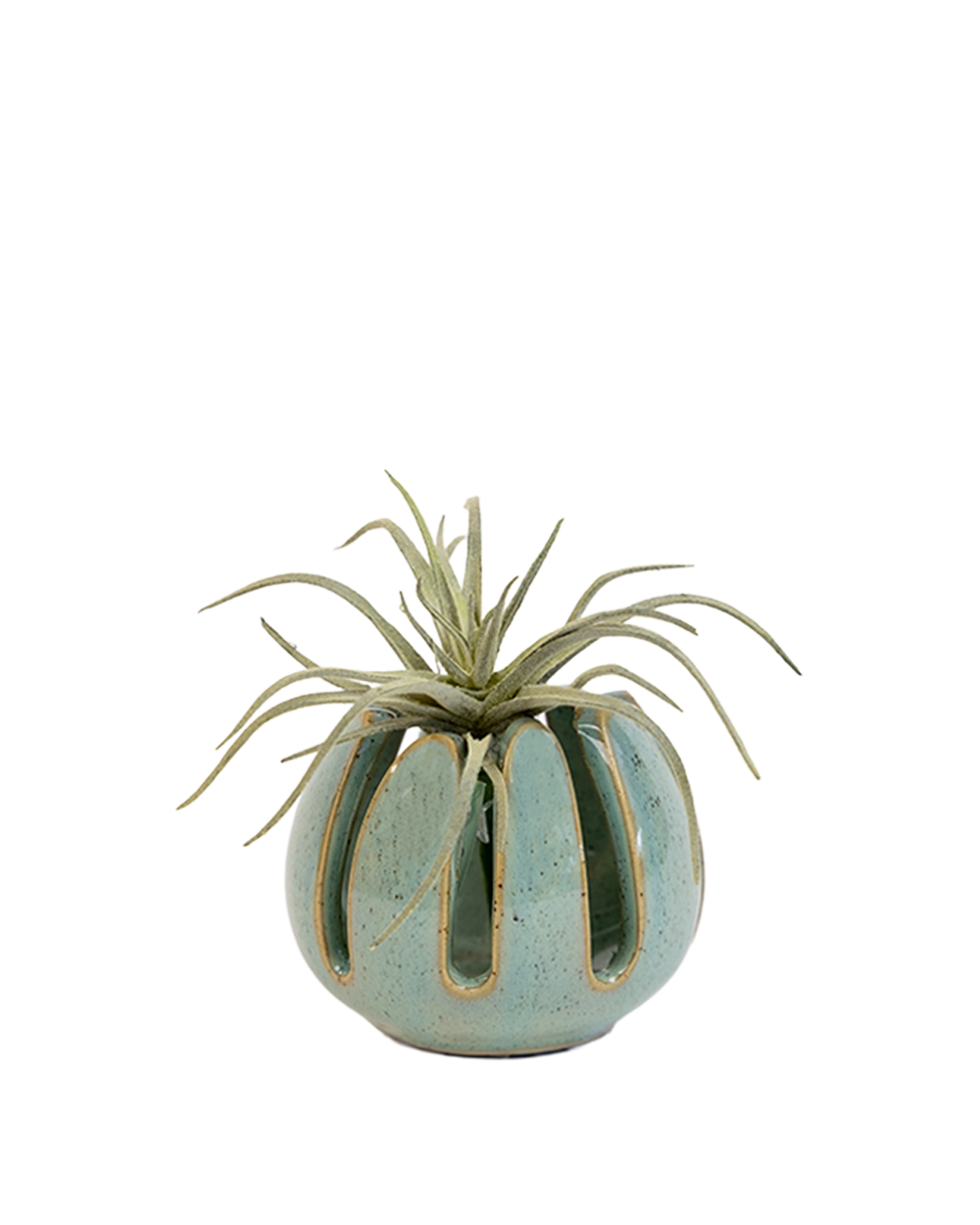
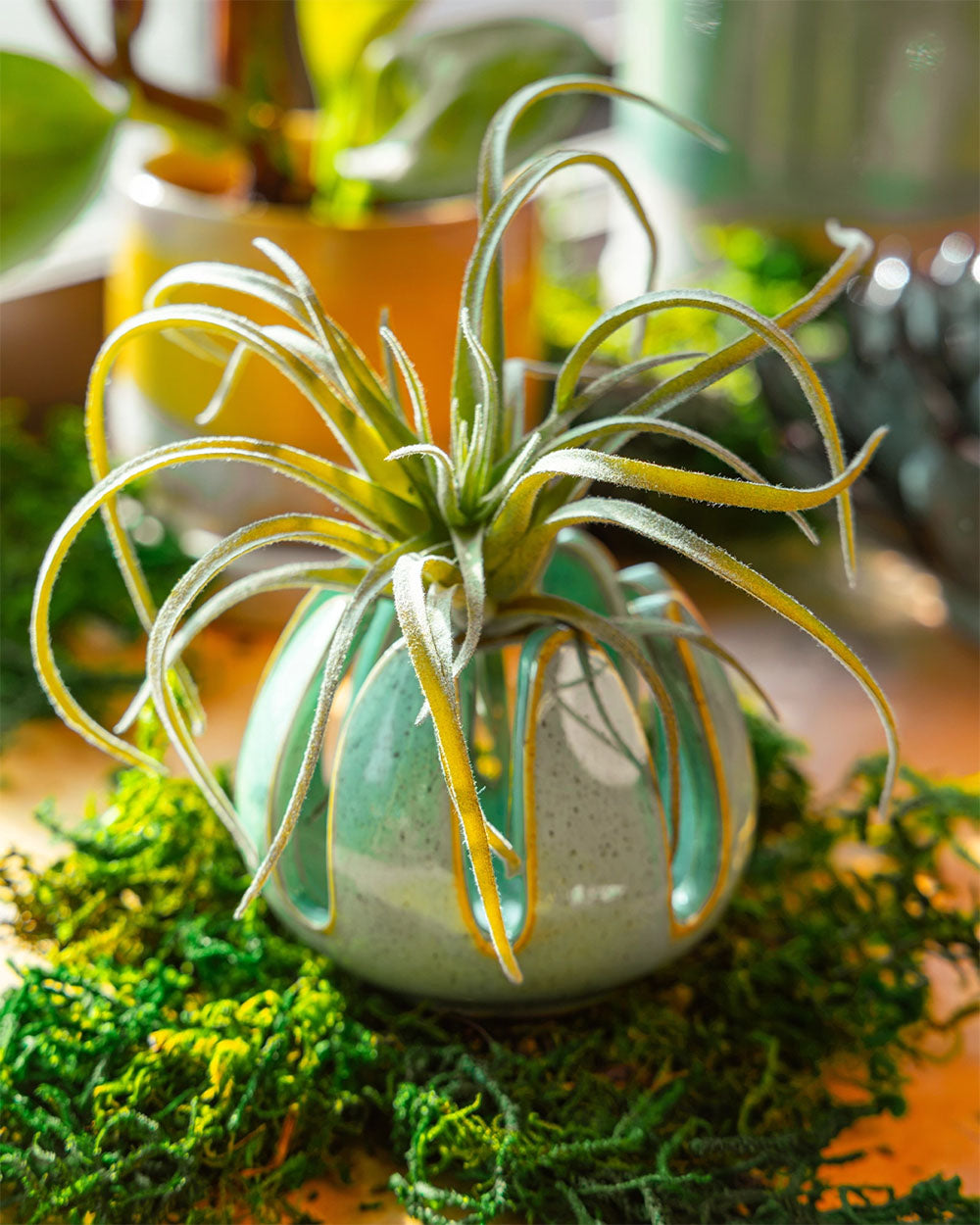
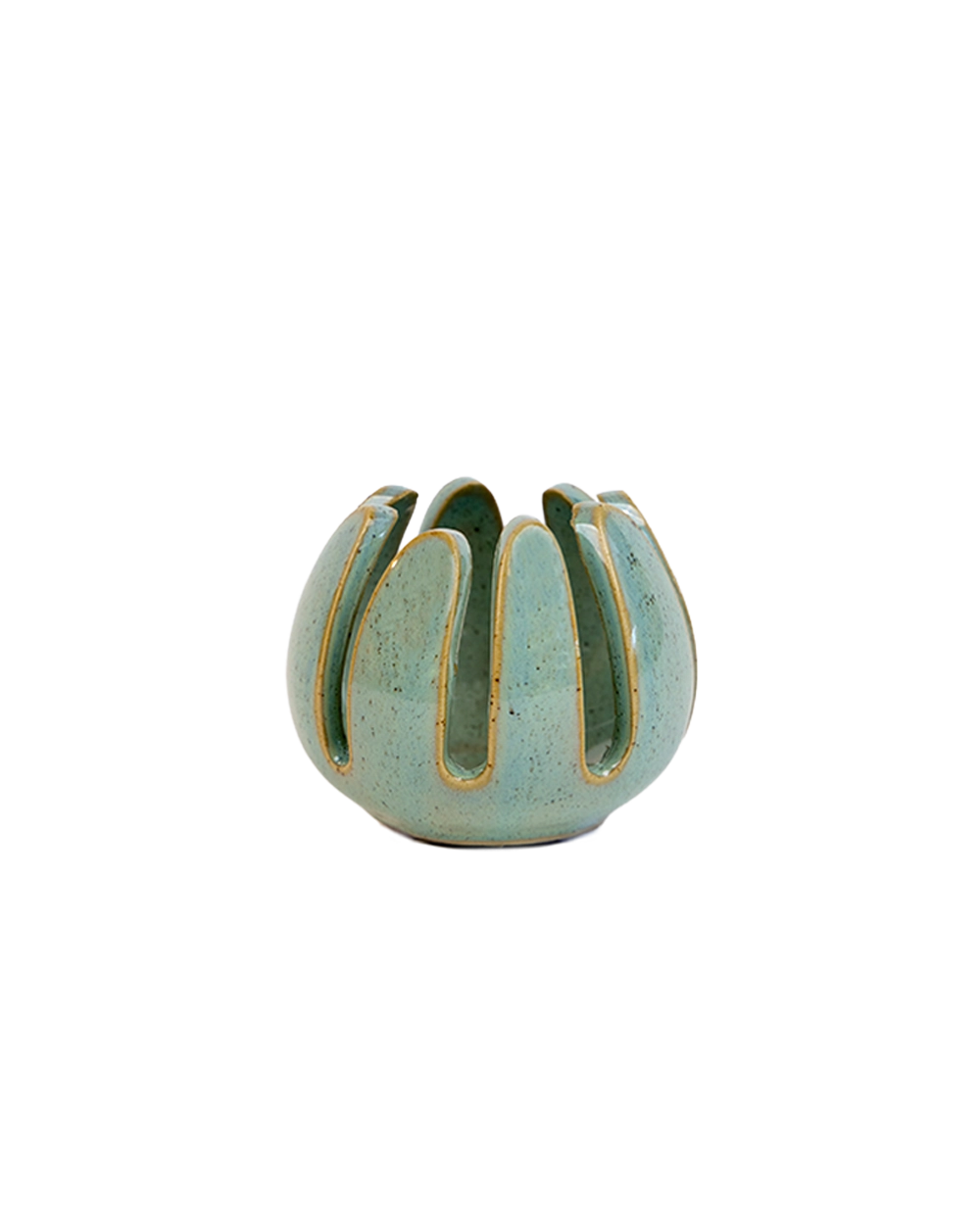
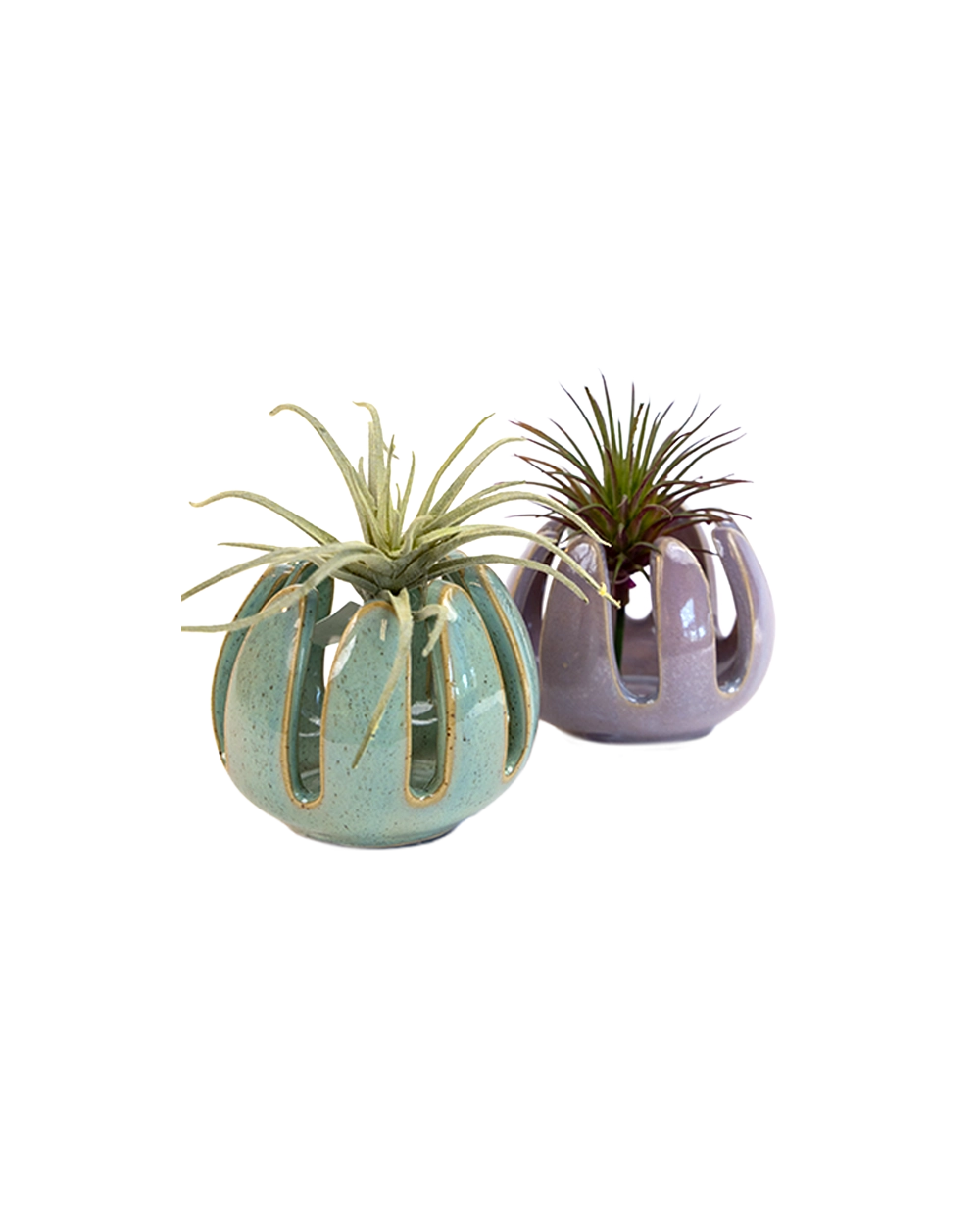
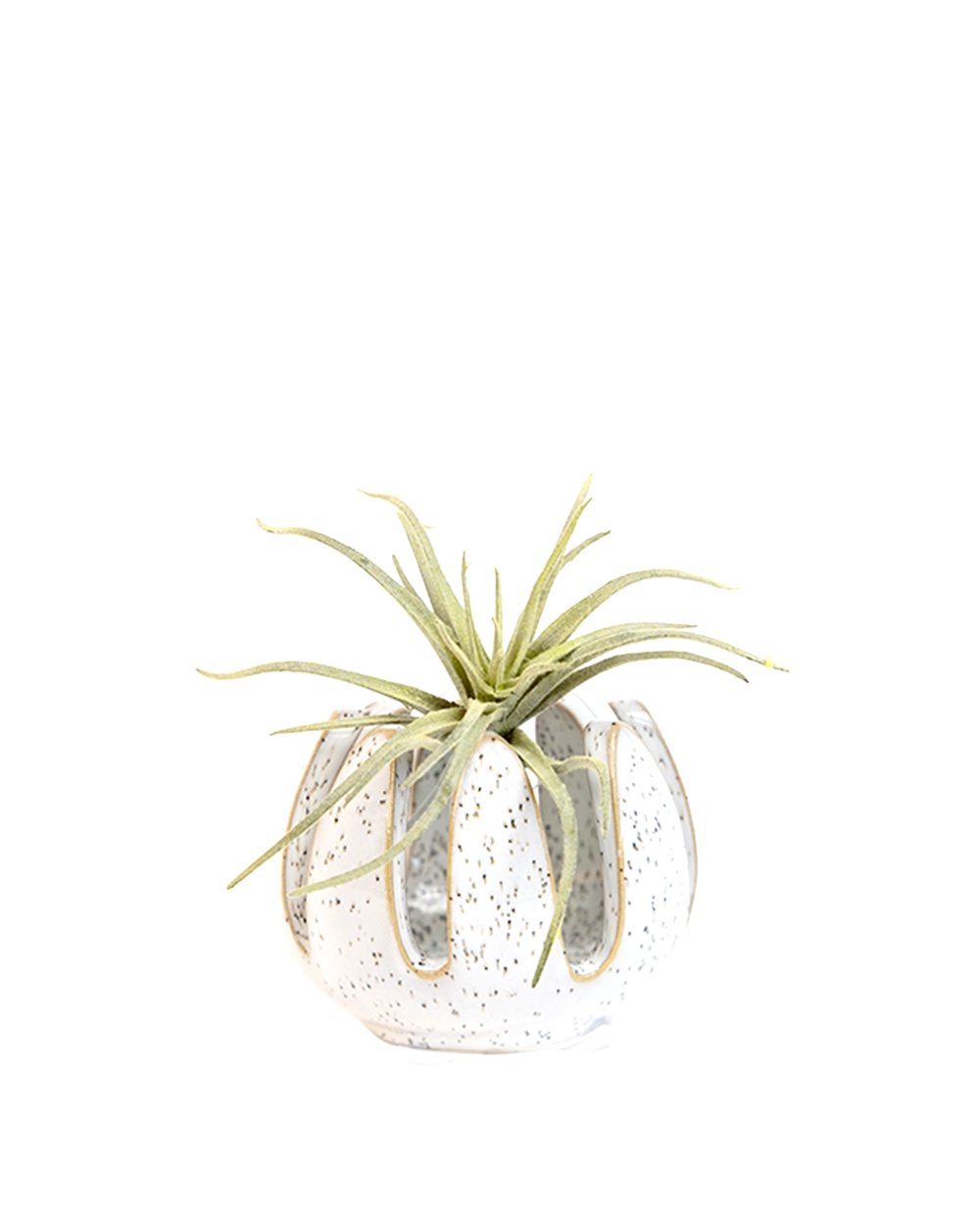

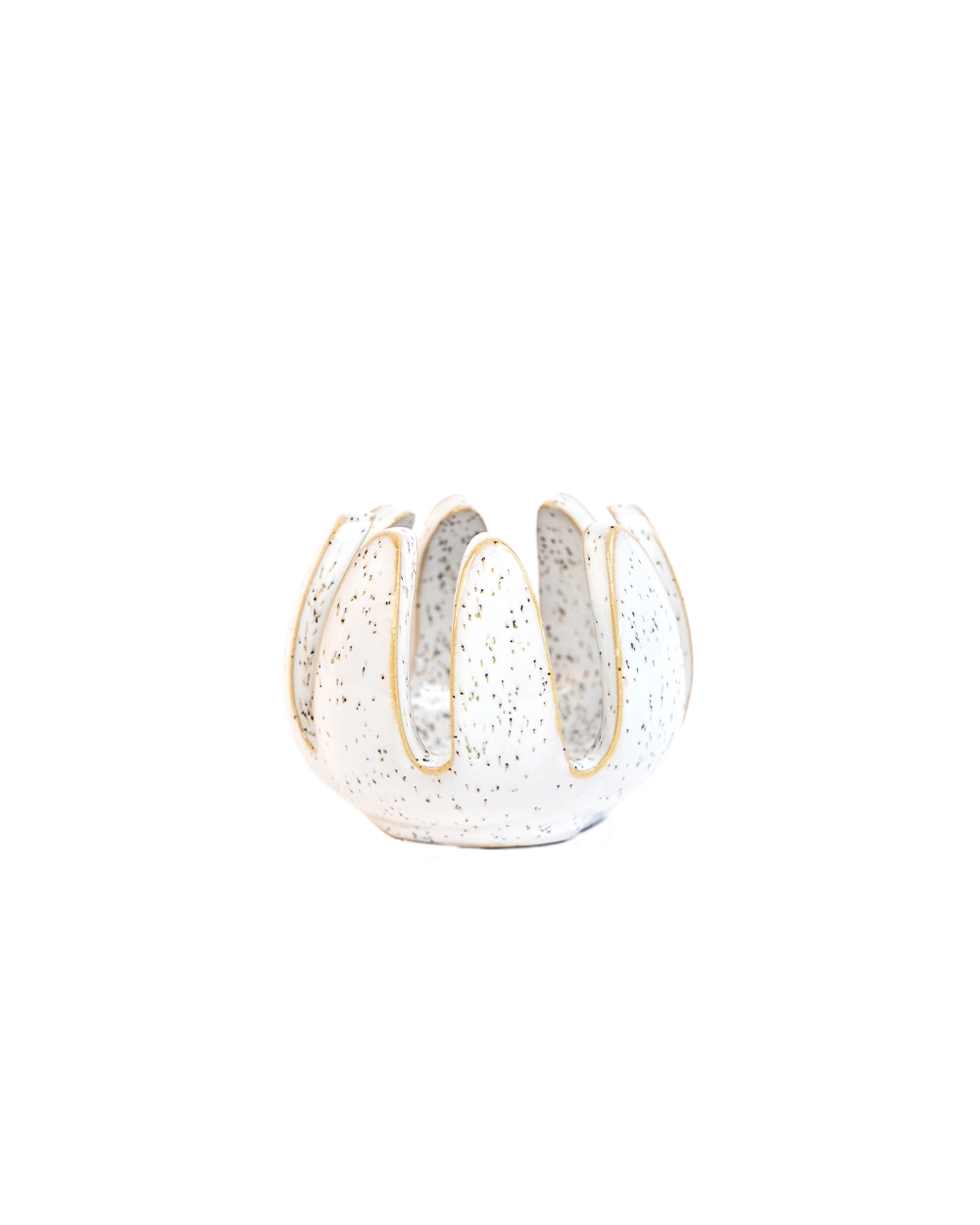
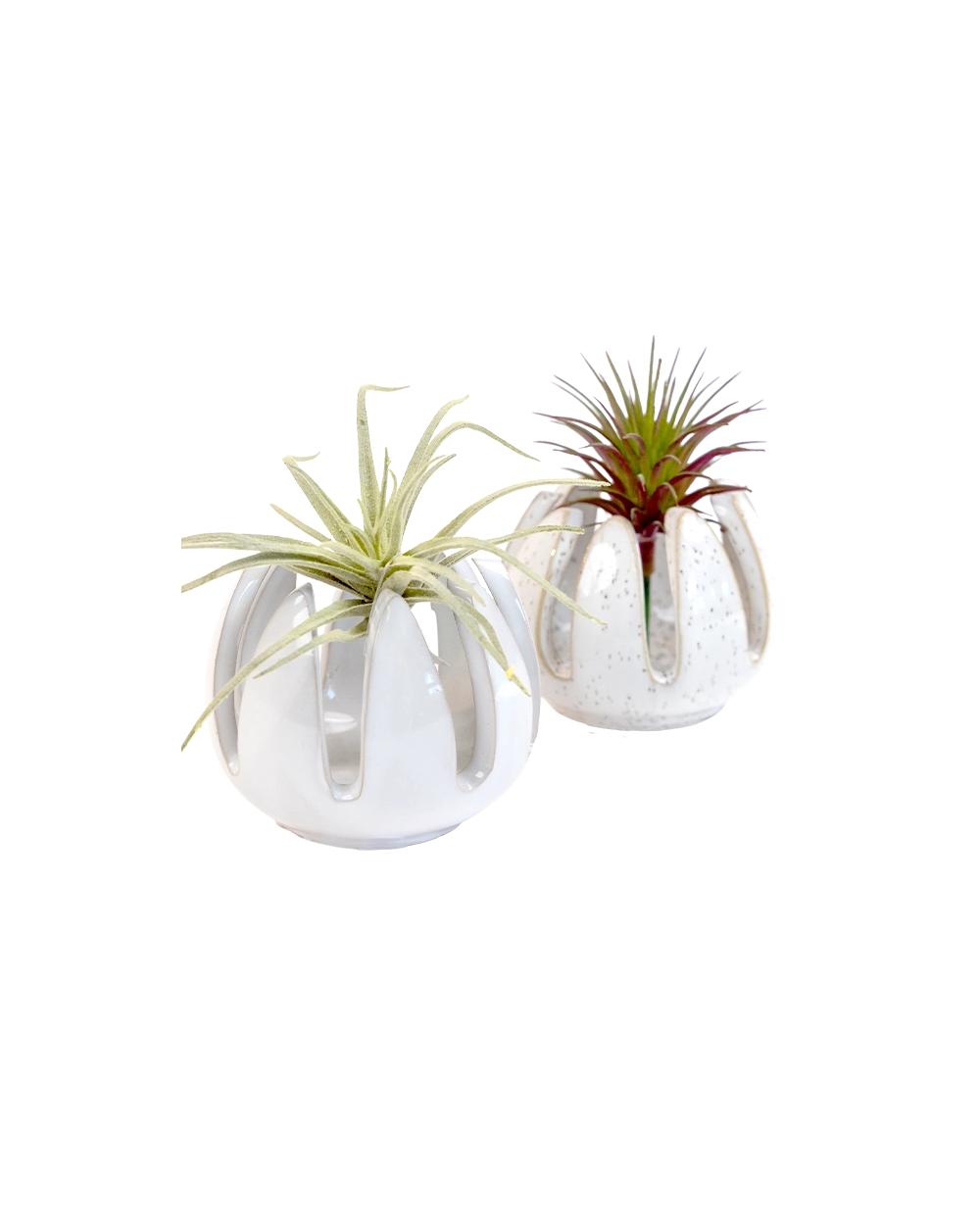
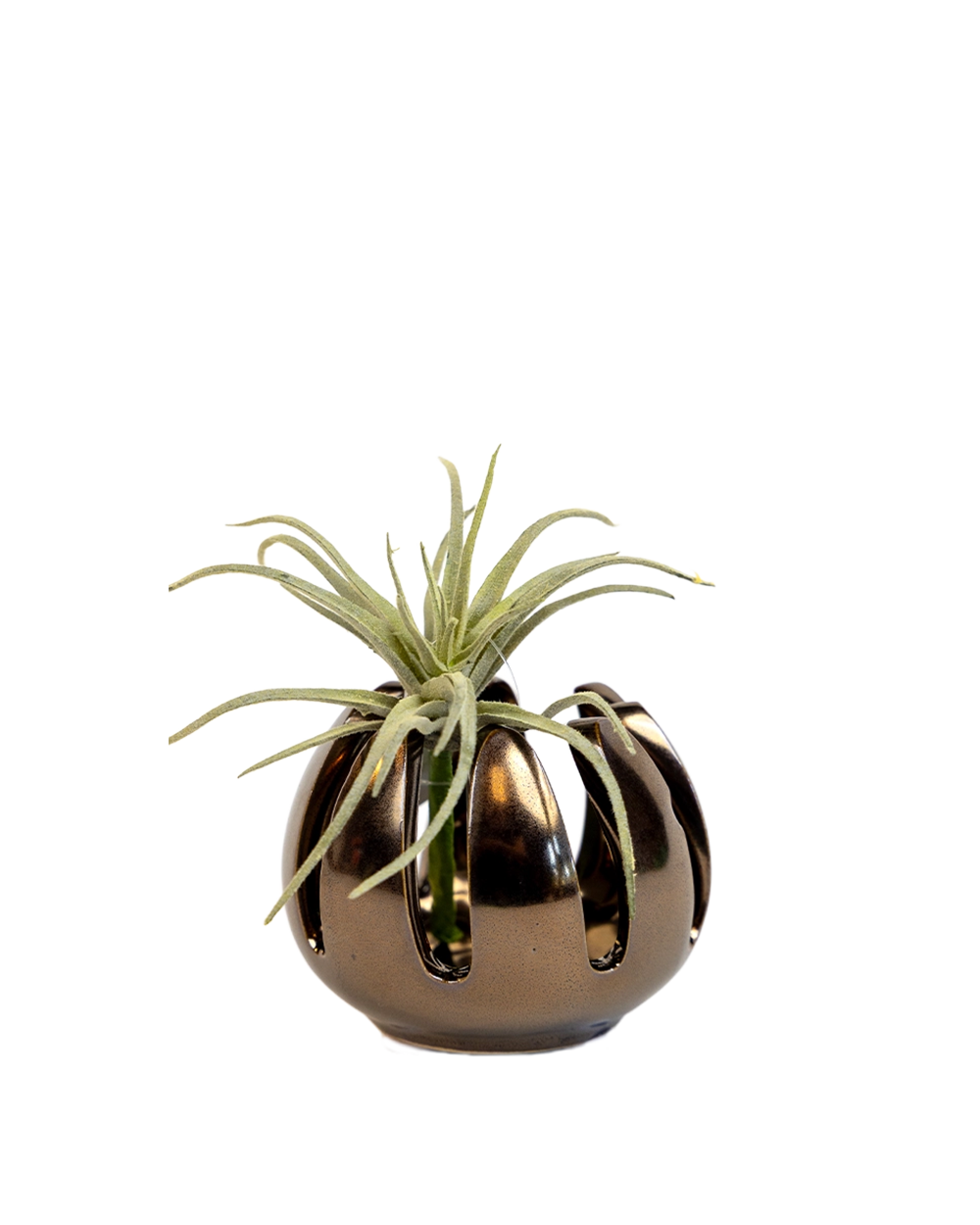
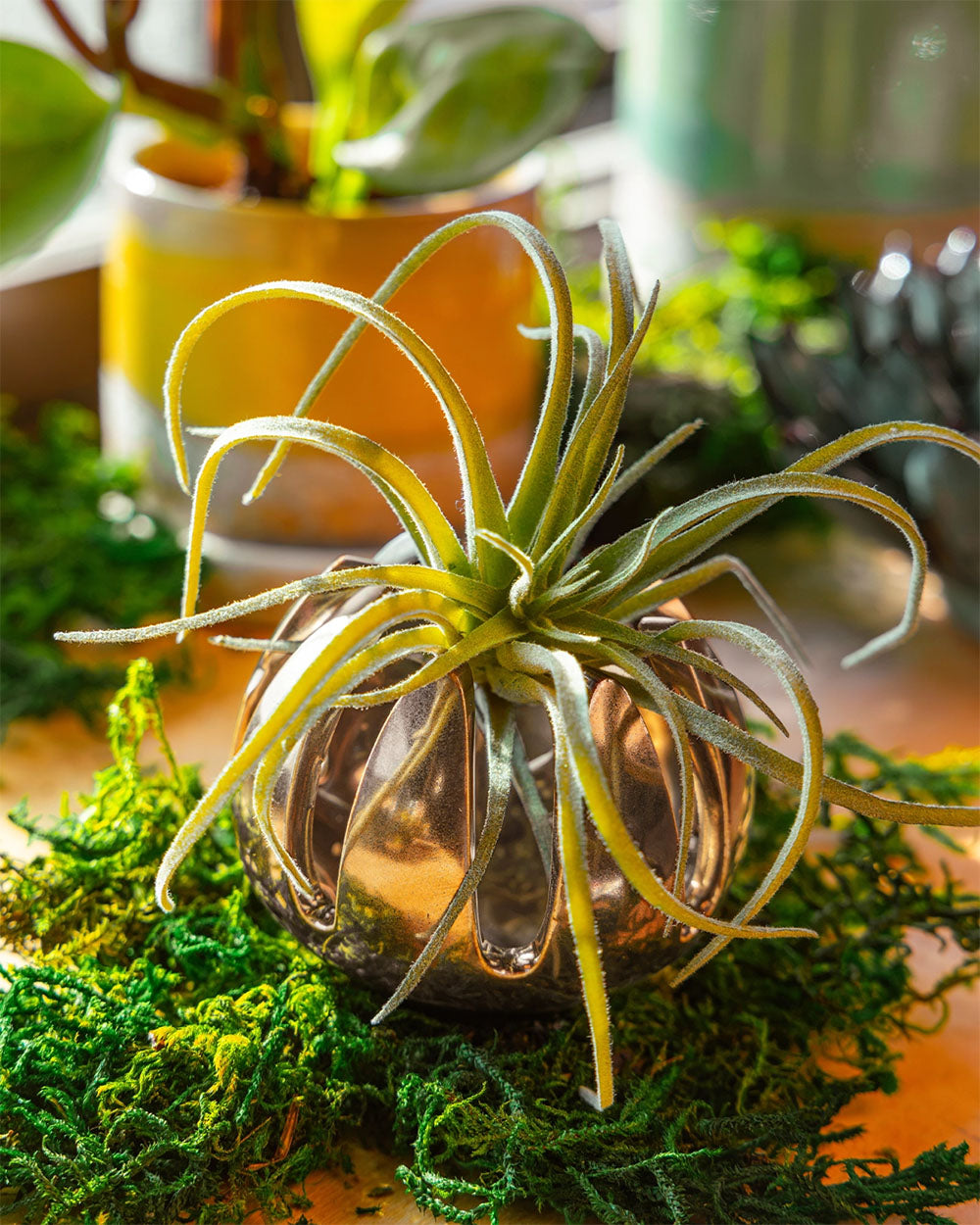
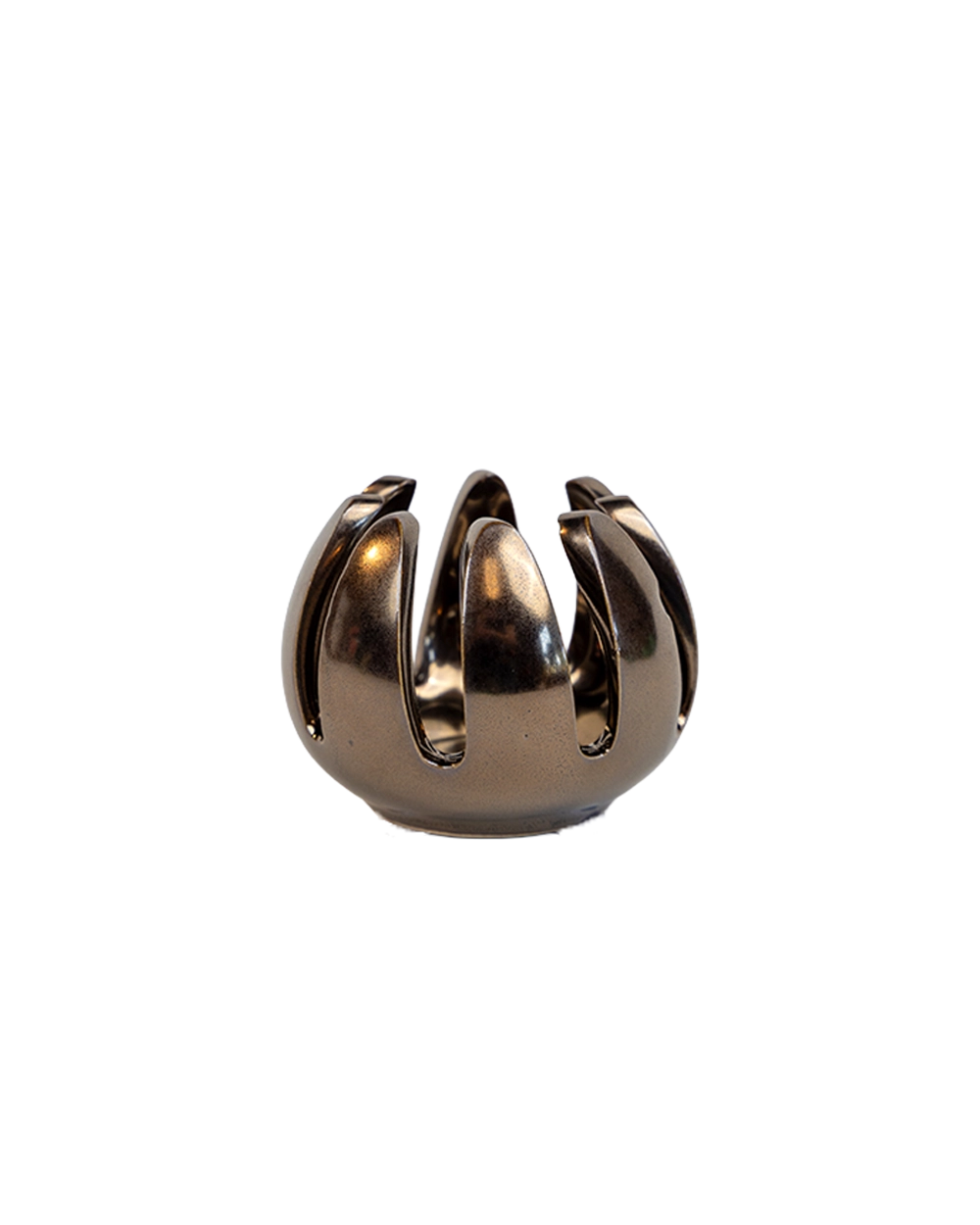
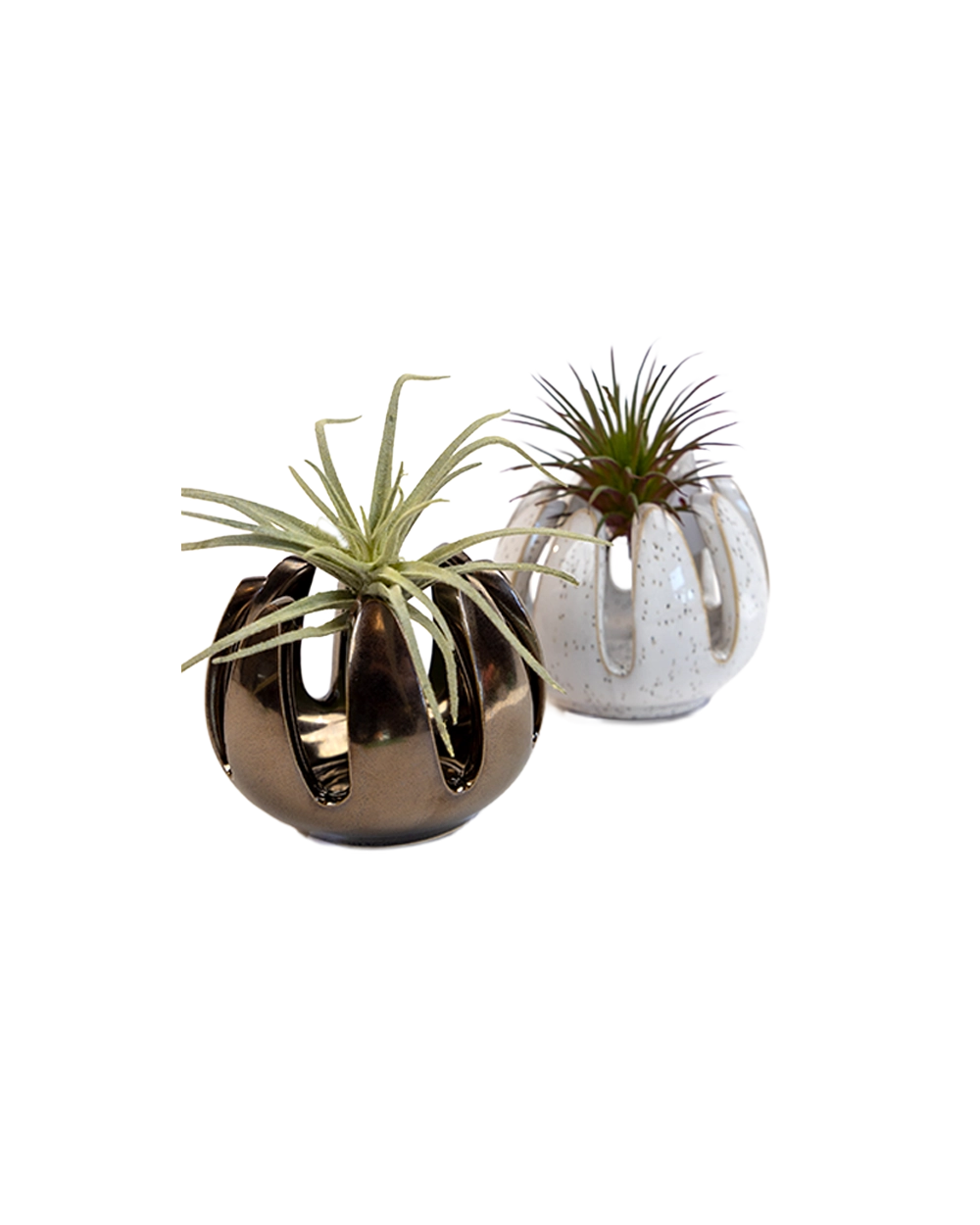
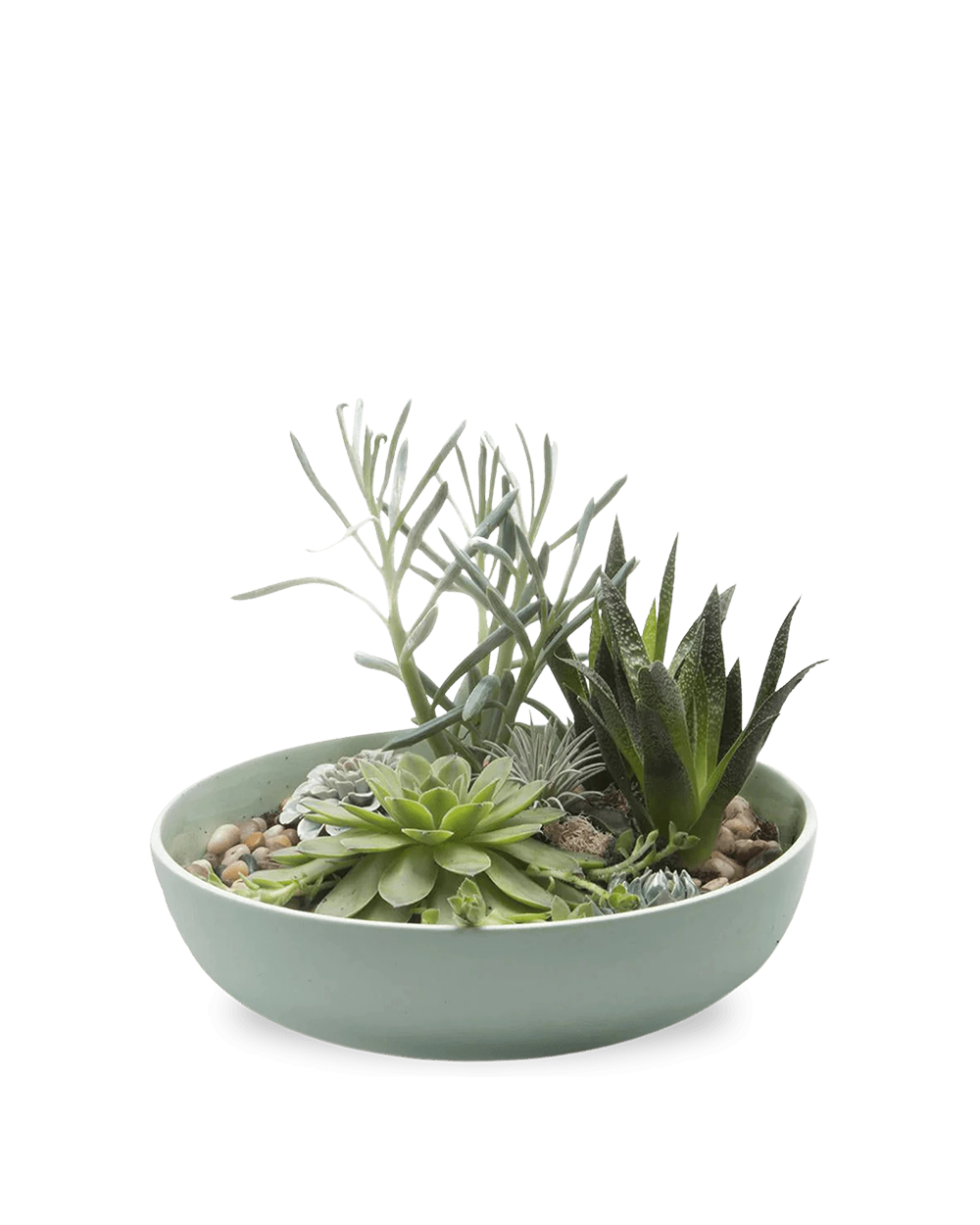
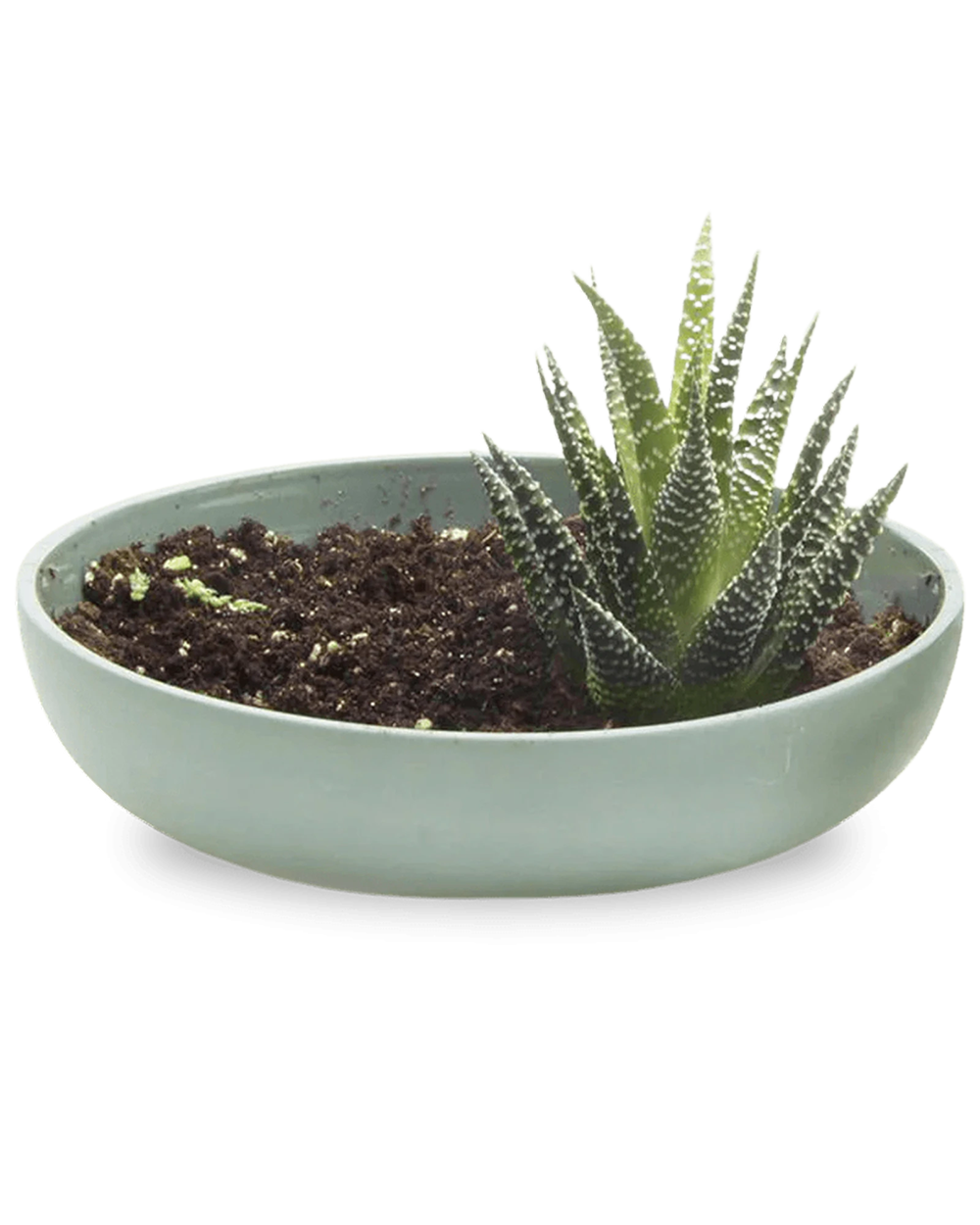
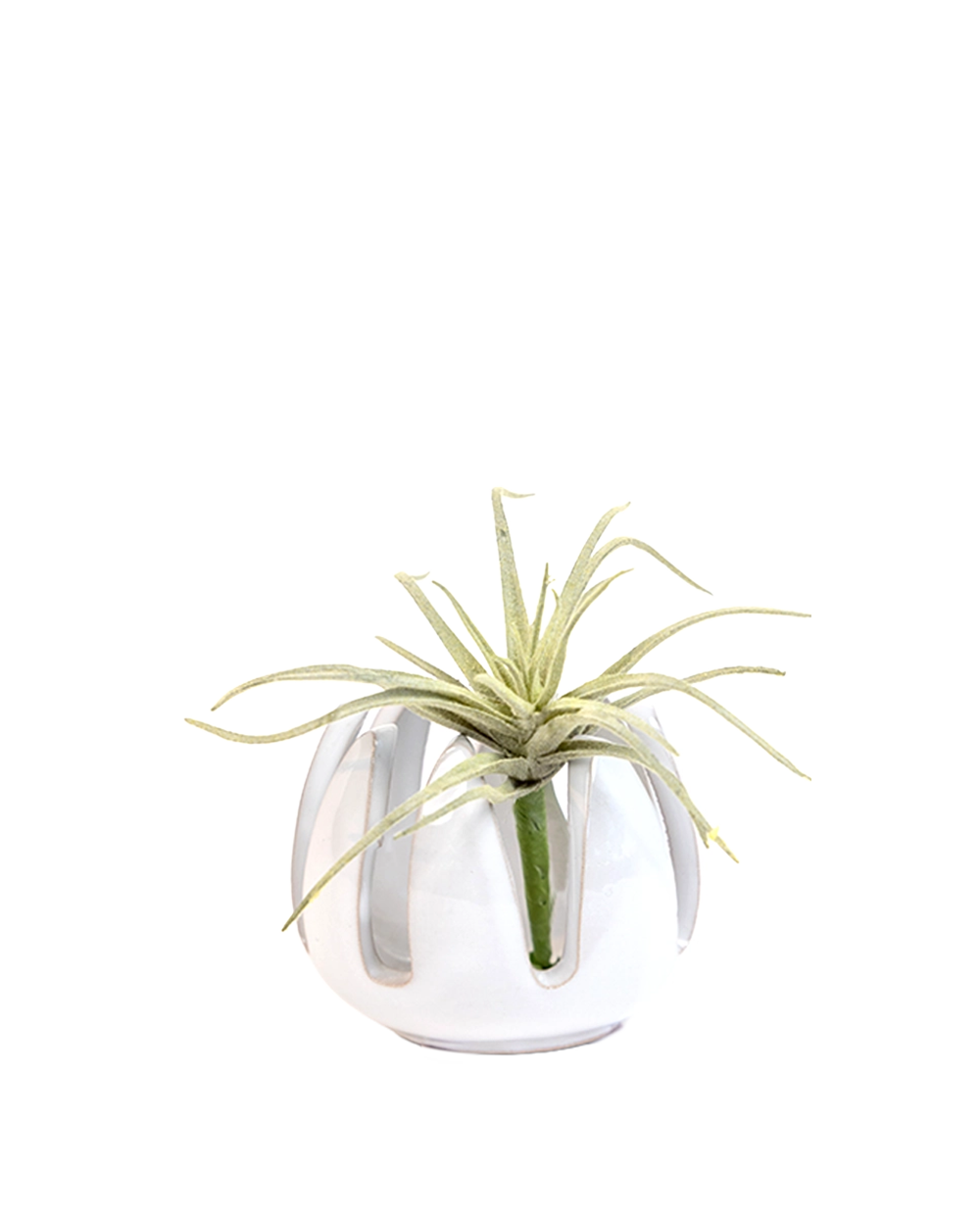
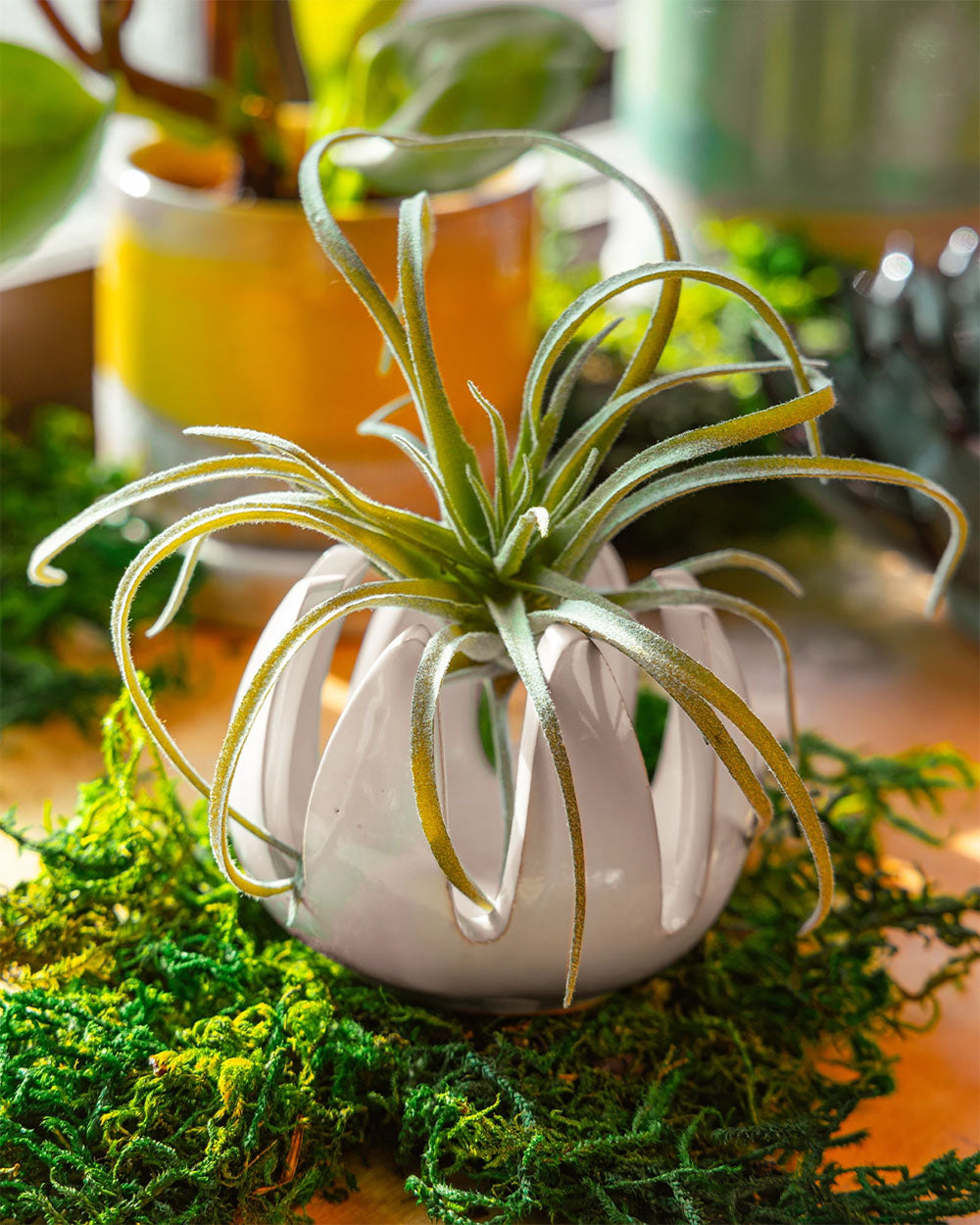
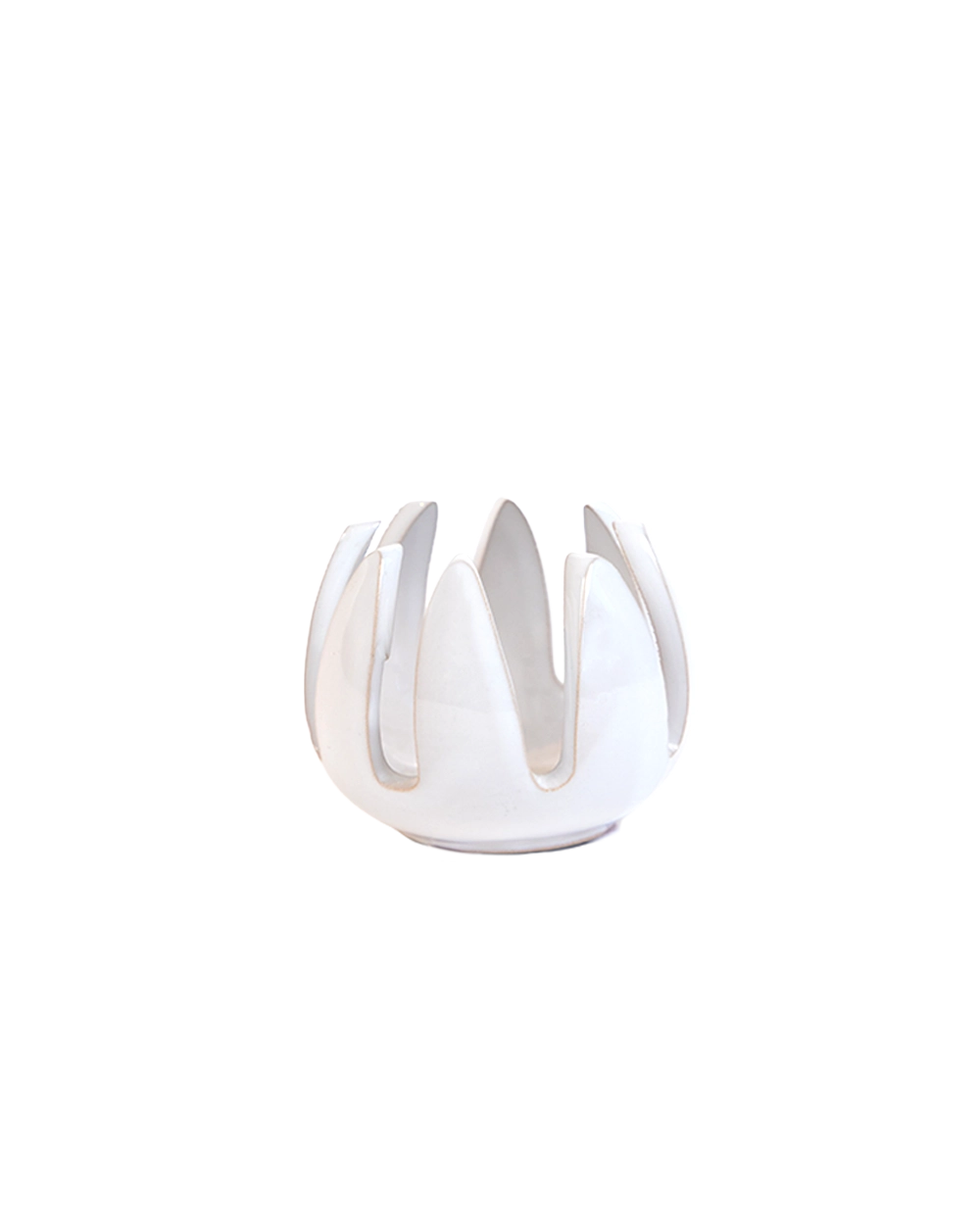
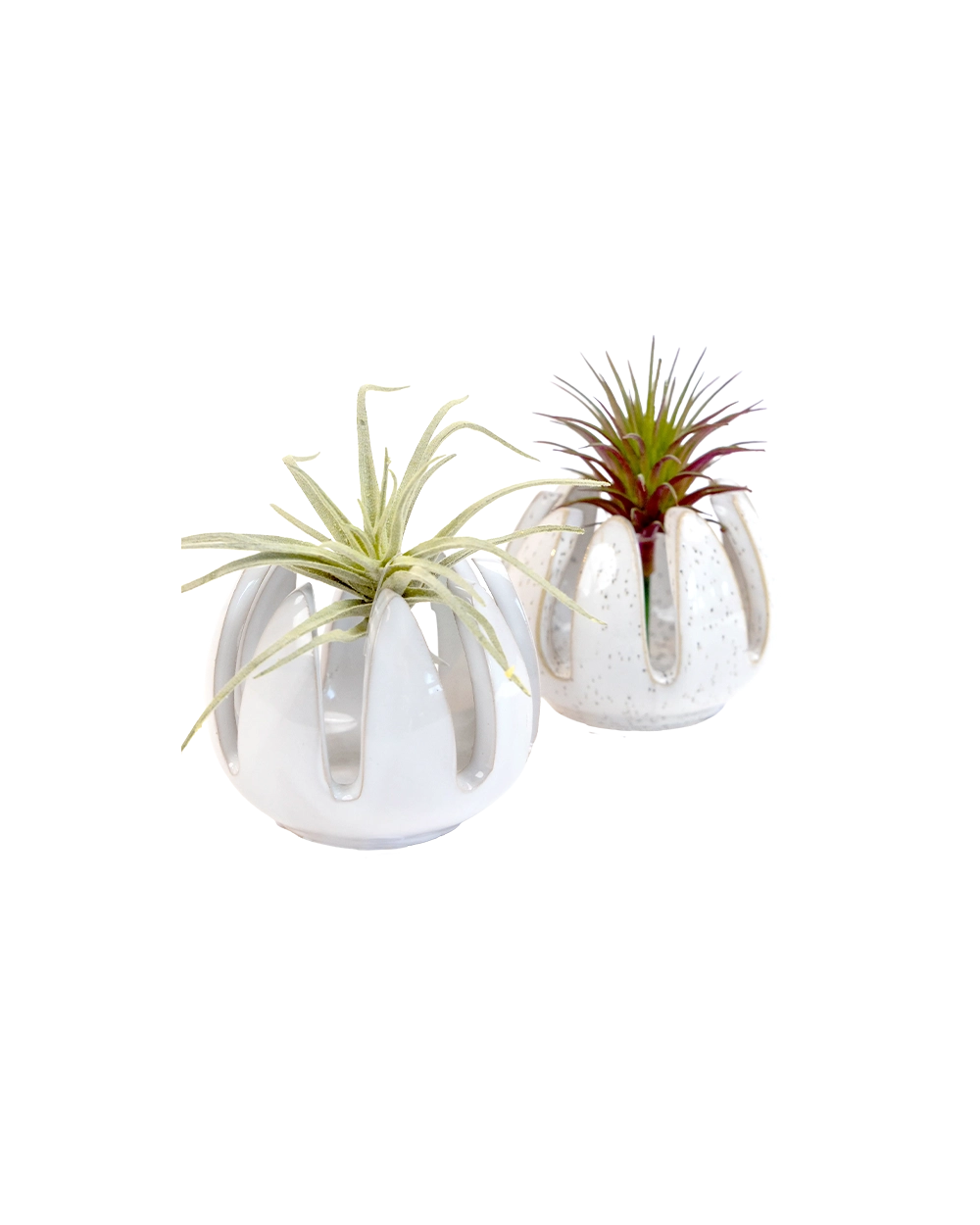
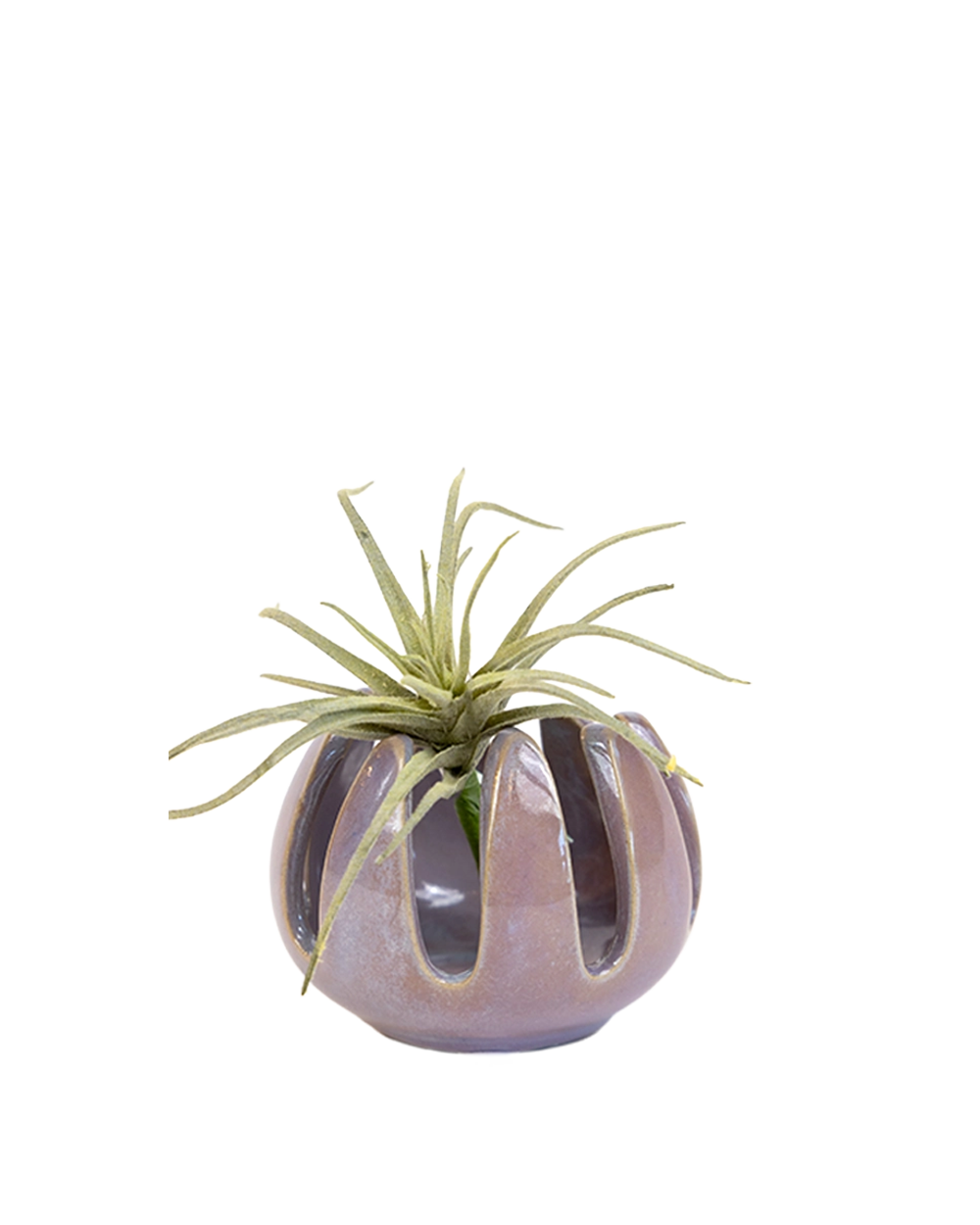
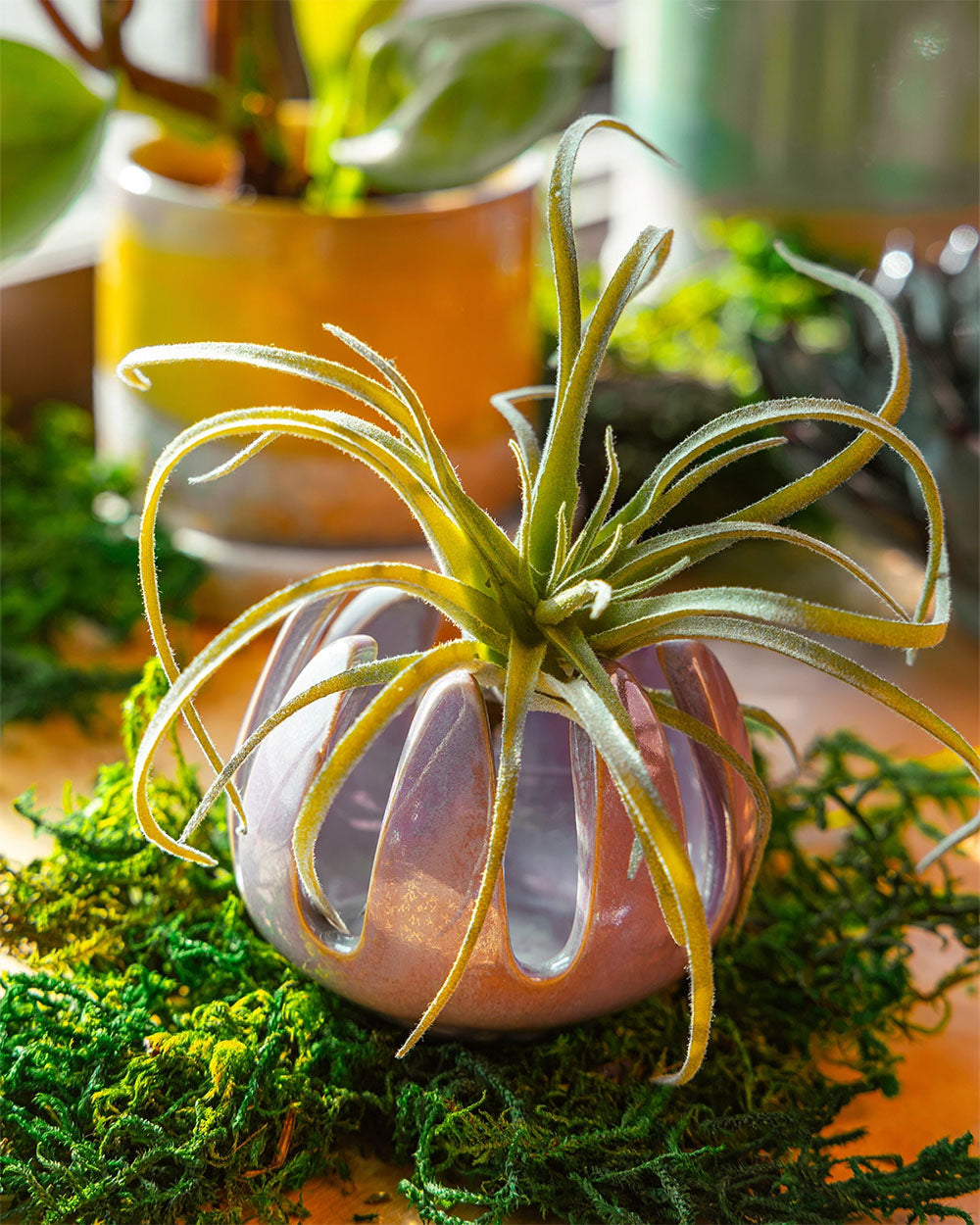
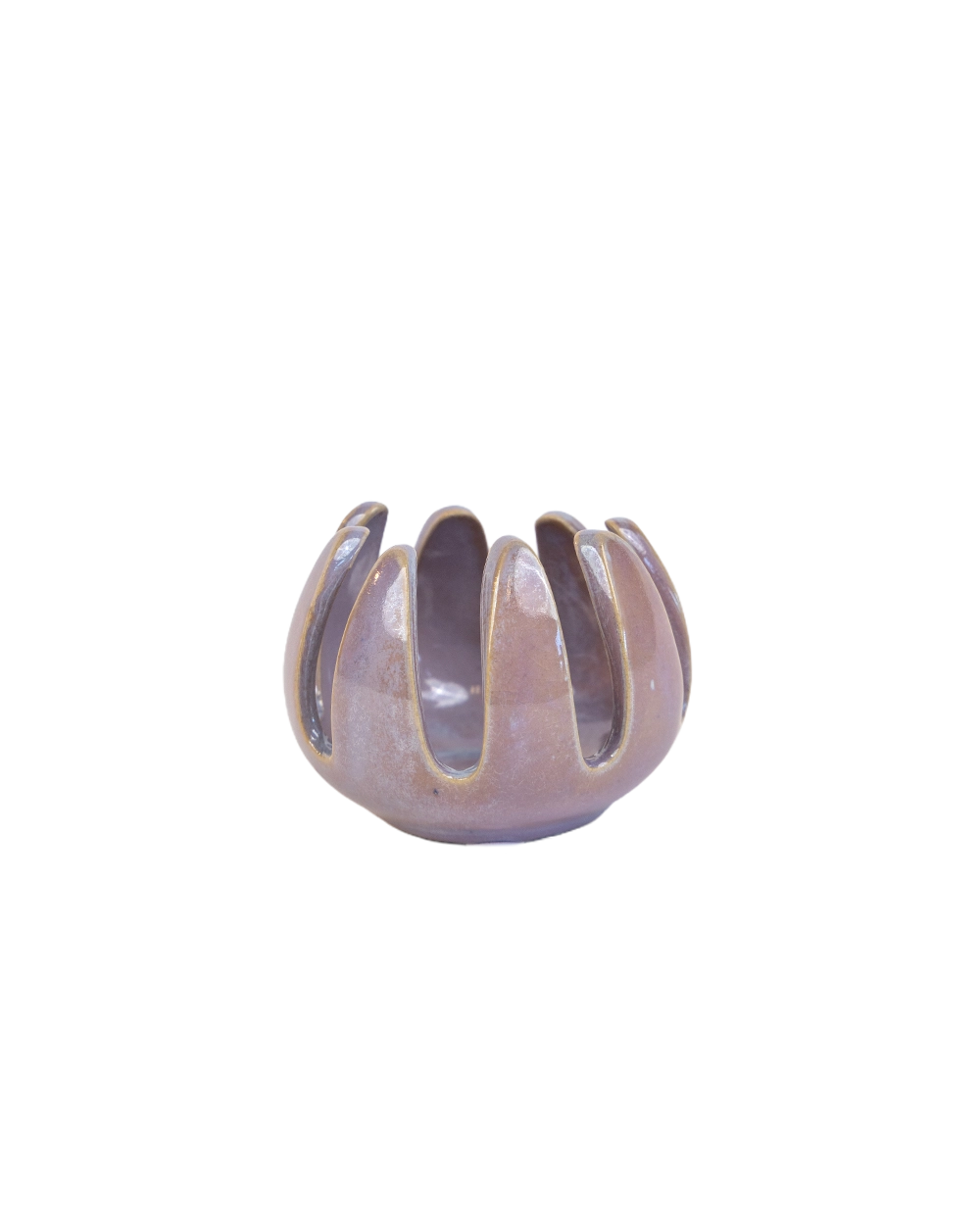
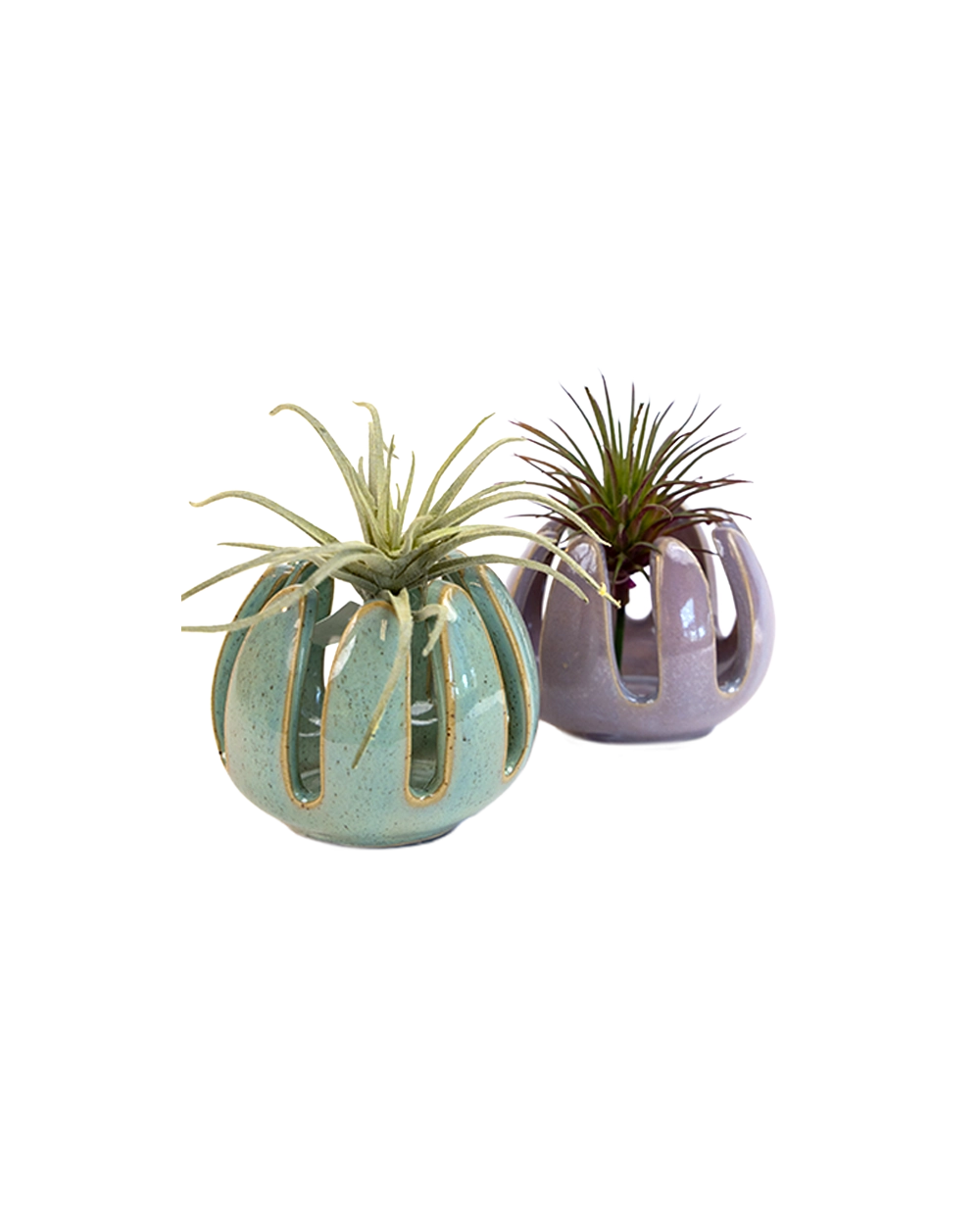
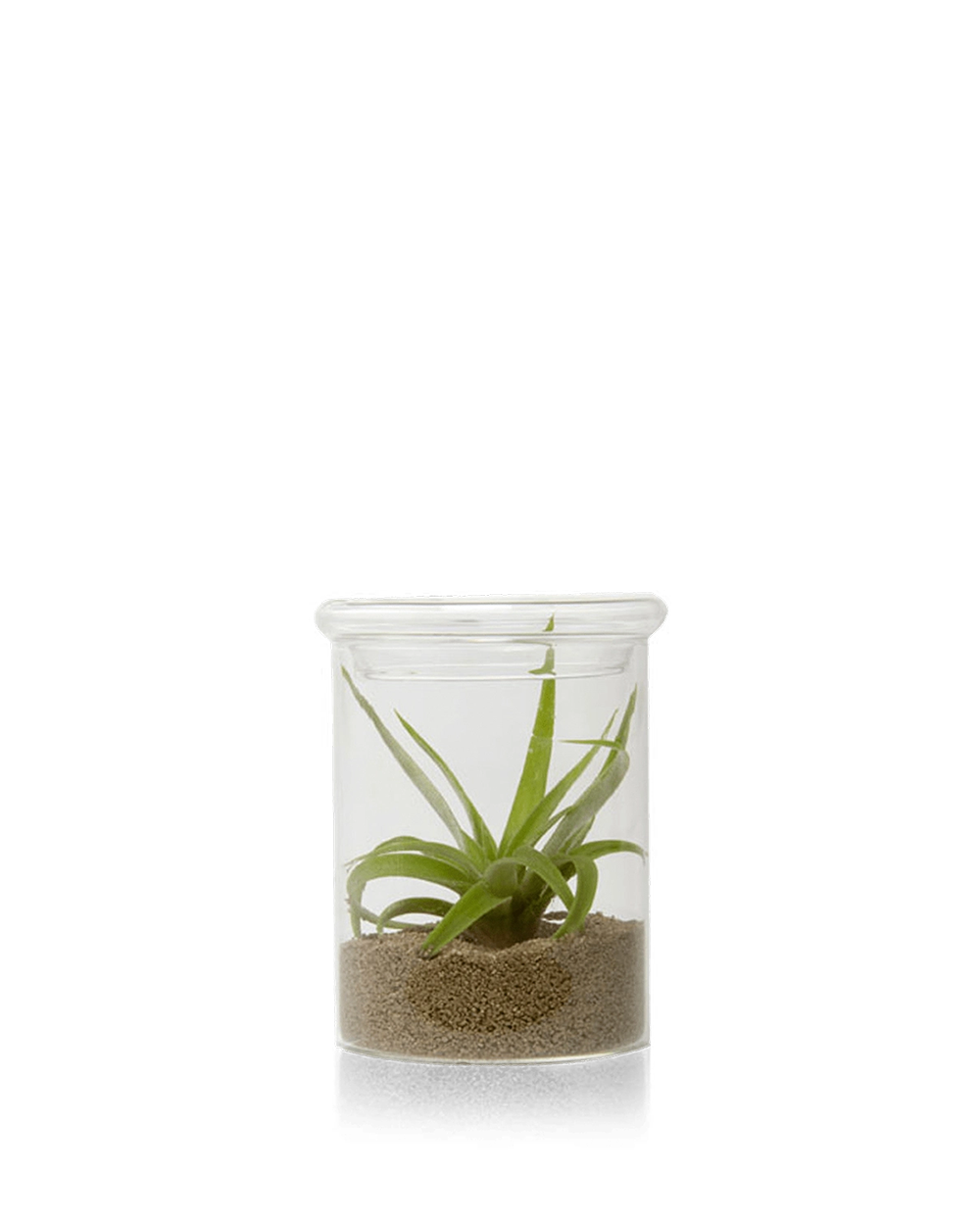
The open-or-closed decision does most of the work in terrarium keeping, and it happens before any plant arrives. Open vessels — the bowls, the hanging globes — move air, which is what succulents and air plants require to avoid rot. Closed jars trap humidity, which is what mosses and small tropicals prefer. Choose the environment first and the plant will confirm the choice; choose the plant first and the glass will eventually deliver the verdict. Everything in this collection states its airflow plainly, because a beautiful terrarium that suffocates its tenant is just an attractive coffin.
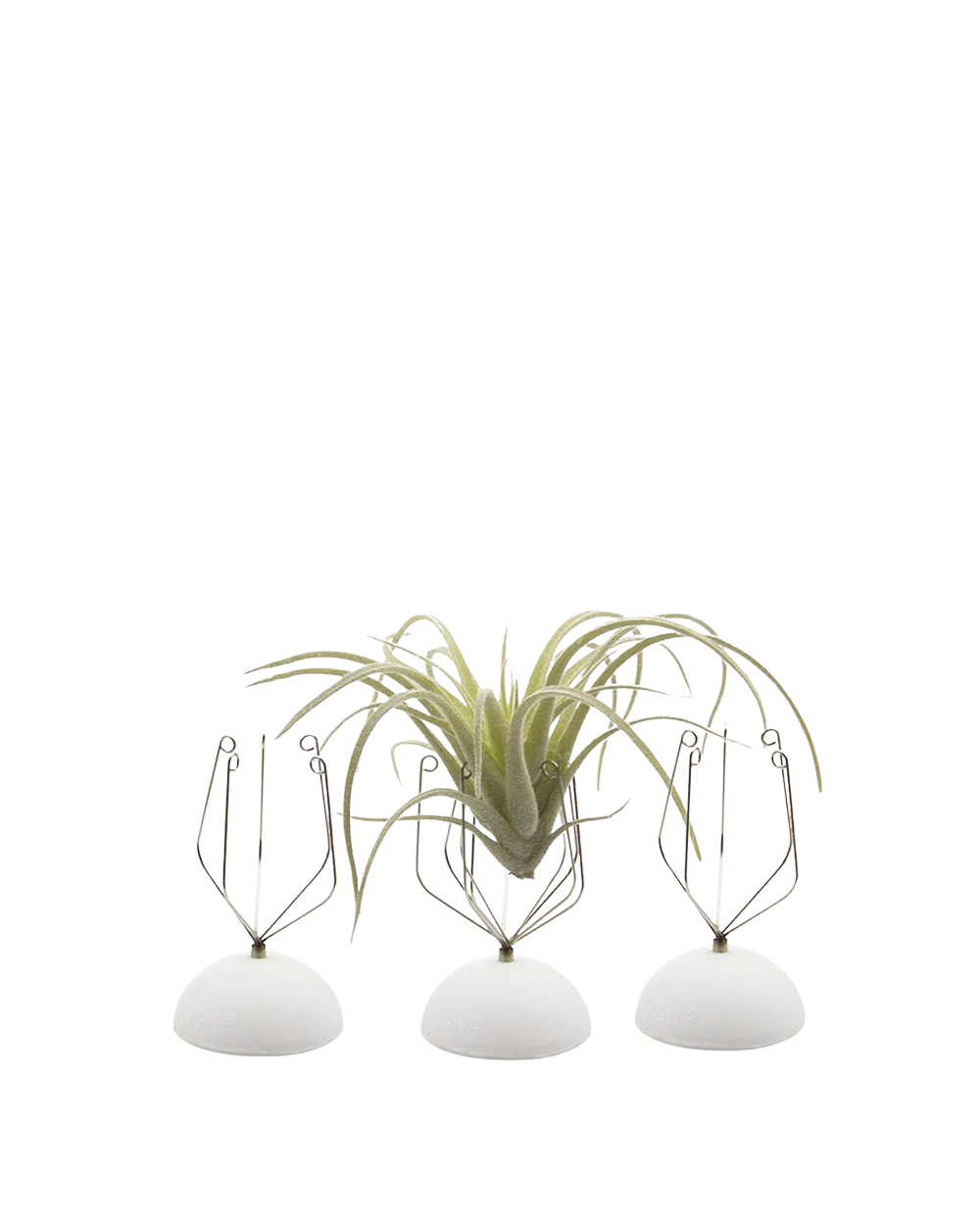
Care under glass is mostly restraint. Water sparingly — the glass slows evaporation and shows you the moisture level, which is a diagnostic advantage no opaque pot offers. Air plants want a light mist and a vessel that breathes; how to care for air plants reduces almost entirely to airflow and neglect in the correct ratio. Chive designs the range in Toronto, and the glass has been road-tested by people who unpack boxes for a living.

Succulent Terrarium

Hanging Terrarium

How to Make a Terrarium: A Complete Beginner's Guide
Frequently asked questions about terrariums
What is the best glass terrarium for succulents and air plants?
Do glass terrariums need drainage holes or a gravel layer?
What is the difference between an open and closed glass terrarium?
Can you grow real succulents in a glass terrarium without soil?
What size glass terrarium works best for a single air plant?
Is a hanging terrarium safe for homes with pets and children?
How often do you need to water plants inside a glass terrarium?
Can you use a glass terrarium as a decorative display without plants?
RHS Chelsea Flower Show
2 x 5-star booth award — winner
Exhibiting since 2013